

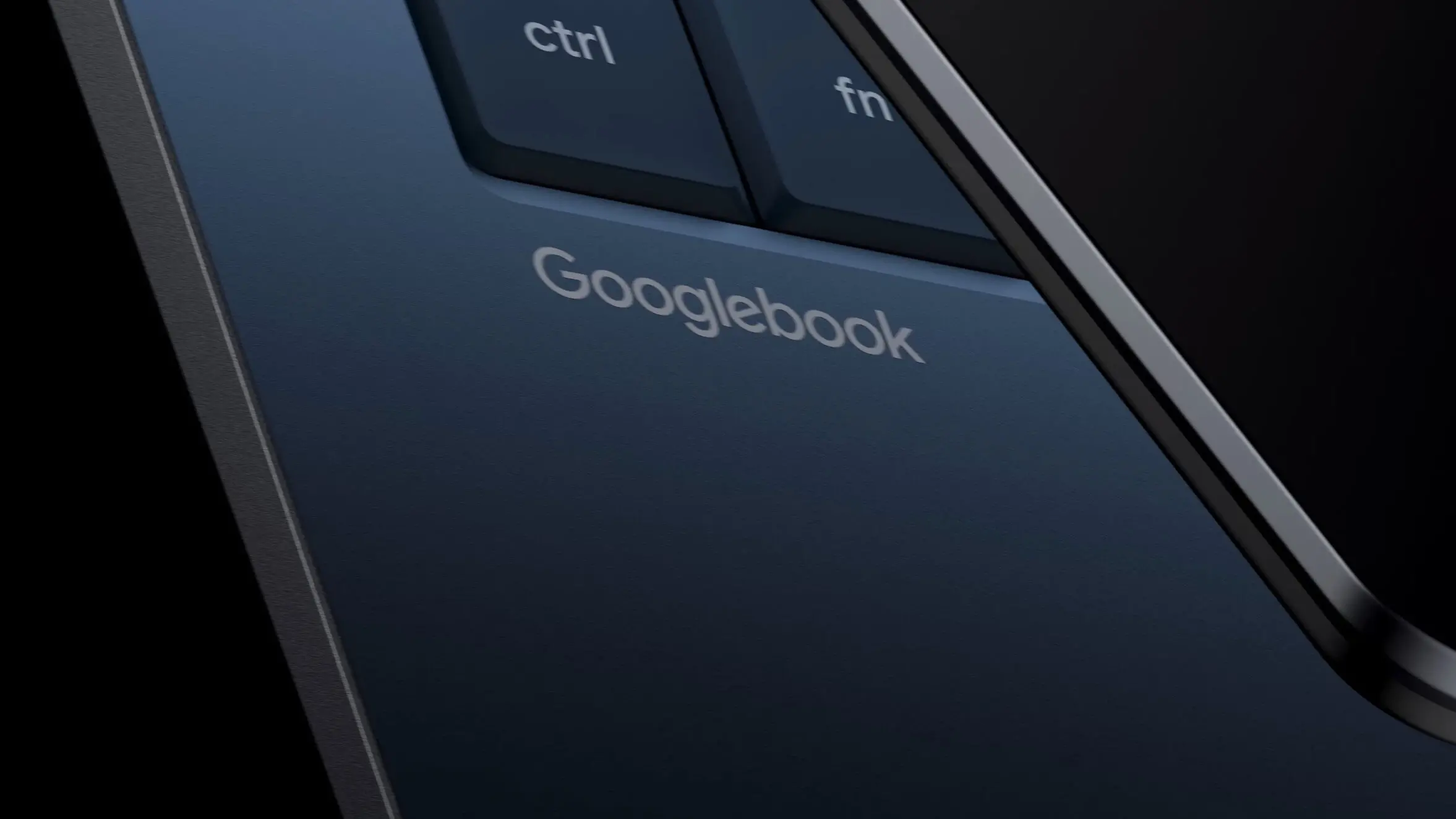
After months of speculation and a steady stream of leaks, Google has finally confirmed that its next-generation laptop platform, commonly referred to as Googlebooks, will be officially unveiled on September 15, 2026. According to a recent report, the company has invited members of the press to an in-person preview event in New York City, where Google is expected to showcase the first wave of hardware from its launch partners and finally put a name to the Android-based operating system that has been informally called Aluminium OS.
The announcement marks a significant milestone in Google's long-running efforts to establish a meaningful presence in the premium laptop market. While the company has been involved in computing hardware for years through its Pixel line of Chromebooks and phones, Googlebooks represents a new strategic direction — one that seeks to merge the productivity strengths of ChromeOS with the vast native application ecosystem of Android. The September event is expected to be the fullest look yet at that vision, combining keynote presentations with hands-on demonstration stations where members of the media can interact with the hardware directly.
The Road to Googlebooks
Google first announced Googlebooks in May as a new category of premium laptops built on the Android technology stack. The company positioned the devices as a fresh alternative to traditional laptops and Chromebooks, promising a combination of premium materials, flexible form factors, and deep integration with Google's suite of services, particularly Gemini. At the time, Google named Acer, ASUS, Dell, HP, and Lenovo as its first five hardware partners, with the initial devices expected to arrive in the fall. That timeframe has now been sharpened to a preview event in mid-September, with retail availability presumably following in the weeks or months after.
The choice of New York City as the venue is notable. Google has often held major consumer hardware events in the city, particularly for its Pixel lineup, and the location suggests that the company is positioning Googlebooks as a consumer-facing product rather than an enterprise-only initiative. The in-person nature of the event is also significant — it will be a full hardware showcase, not just a virtual announcement. Attendees will reportedly be allowed to photograph, film, and benchmark the first wave of devices, indicating that Google is confident enough in the hardware and software to open it up to immediate scrutiny.
What to Expect from the September 15 Event
According to Chrome Unboxed, the event will feature a keynote by Google leadership covering the new computing platform, its software architecture, and Google's vision for bringing together ChromeOS-style web productivity with Android's native codebase. This is a critical distinction. Existing Chromebooks run on ChromeOS, which is primarily web-centric, while Googlebooks are expected to support Android apps natively, making the platform far more versatile for users who rely on Android applications for everything from productivity to entertainment.
The keynote is also expected to clarify the official branding of the operating system. For months, the tech community has been referring to the system as Aluminium OS, a name that emerged from code references and speculative reporting. Google has never officially used that name, and it is widely expected that the company will unveil a more polished, marketable brand identity at the event. The naming choice could carry significant weight, as it will signal how Google intends to position the platform relative to ChromeOS, Android, and competing operating systems.
Beyond the software, the event is expected to be a hardware-heavy affair. Dedicated demo stations will allow attendees to spend hands-on time with Googlebooks from Google's launch partners. The publication notes that media will be able to photograph, film, and benchmark the devices, suggesting that Google is prepared to let the hardware speak for itself. That is particularly interesting given how little Google has officially revealed about the devices so far. The company has only said that Googlebooks will feature premium materials, come in different shapes and sizes, and share a distinctive Glowbar design.
Design and Hardware: The Glowbar Era
The Glowbar is one of the most intriguing aspects of the Googlebook concept. Based on leaked renders of a Lenovo Googlebook 15 and an ASUS model, the Glowbar appears to be a light bar located on the lid or around the keyboard that provides both aesthetic appeal and functional feedback. Some leaks suggest that the Glowbar will be integrated with Google's Gemini assistant, potentially serving as a visual indicator for voice commands, notifications, or system status. Hardware controls designed around Gemini could include dedicated microphones, activation buttons, and enhanced audio systems to support hands-free interactions.
Lenovo's Googlebook 15, as seen in leaked renders, appears to have a clean, minimalist design with a slim profile and a large display, typical of premium ultrabooks. The ASUS model has also been spotted, showing similar design characteristics. While these are early renders, the consensus is that Googlebooks will be visually distinctive and easily recognizable, thanks in part to the Glowbar. It remains to be seen whether the Glowbar will be purely cosmetic or if it will offer meaningful functionality. Given Google's emphasis on Gemini integration, it is likely to be more than just an aesthetic flourish.
Premium materials have been explicitly promised by Google, which suggests that the first Googlebooks will not be budget-friendly. Instead, they are expected to compete directly with the likes of Apple's MacBook Air and MacBook Pro, Microsoft's Surface Laptop, and high-end Windows ultrabooks. The involvement of five major hardware partners — Acer, ASUS, Dell, HP, and Lenovo — indicates that Googlebooks will be available in a variety of configurations, sizes, and price points, but all will share the core Android technology stack and a common design language.
Software: The Aluminium OS Mystery
Perhaps the biggest question mark heading into the September 15 event is the operating system's official name. The project has been known internally and in leaks as Aluminium OS, a code name that has stuck in public discourse. However, Google has never confirmed that name, and the brand identity of a platform can be crucial to its adoption. Revealing the official name at the event will be an important moment, as it will shape how the product is perceived by consumers and developers.
The software architecture itself is a hybrid of two worlds. ChromeOS has long been praised for its simplicity, security, and speed, but it has also been criticized for its limited app ecosystem and heavy reliance on web apps. Android, on the other hand, has a massive library of native applications, but it has traditionally been designed for touchscreens and mobile devices. Googlebooks aims to combine the best of both — a desktop-class web experience with the ability to run native Android apps seamlessly. This approach could make Googlebooks an attractive option for users who have invested in the Android ecosystem but need the productivity capabilities of a traditional laptop.
The integration of Gemini is another key component. Google has been pushing its Gemini AI assistant across its products, and Googlebooks is expected to feature deep AI integration. Hardware controls designed around Gemini could include dedicated buttons, contextual voice input, and system-wide AI functions that help users with tasks such as email drafting, image generation, or real-time translation. The company has already shown how Gemini can enhance productivity on other devices, and Googlebooks is likely to be a showcase for these capabilities.
The Impact on the Laptop Market
The launch of Googlebooks comes at a time when the laptop market is ripe for disruption. Apple's MacBooks continue to dominate the premium segment, while Chromebooks have found a niche in education and budget-conscious consumers. Windows offers the most flexibility and software compatibility, but it also suffers from fragmentation and occasional inconsistencies. Googlebooks could carve out a new space by offering a polished, secure, and AI-enhanced experience that appeals to both existing Google users and converts from other platforms.
One of the challenges Google will face is convincing consumers that yet another laptop operating system is worth their attention. The company has learned from the mixed reception of earlier attempts at Android laptops, many of which struggled to offer a good keyboard-and-trackpad experience. However, Android has evolved significantly since then, and Google has invested heavily in making apps work better on larger screens. The partnership with five major hardware manufacturers is also a positive sign, as it provides the distribution and marketing reach needed to compete in the mainstream market.
Developers will also need to adapt their Android apps to take full advantage of the Googlebook form factor. The event is likely to include information on how developers can optimize their apps for keyboard and mouse input, resizable windows, and larger displays. If Google can attract a strong developer community, Googlebooks could rival Windows in terms of app availability, while offering a more consistent and secure experience.
The timing of the announcement is also strategic. By holding the event in September, Google is positioning Googlebooks ahead of the holiday shopping season, when many consumers are in the market for new laptops. The company will likely want to have devices available for purchase before Black Friday and Cyber Monday, and the preview event on September 15 is a clear signal that retail availability is just around the corner.
For now, all attention turns to New York City, where Google is expected to pull back the curtain on its long-awaited laptop platform. The event promises to be one of the biggest tech announcements of 2026, with major implications for the future of Android, ChromeOS, and the entire laptop market. With media set to go hands-on with the first Googlebooks, we will finally get concrete answers to the questions that have been building for months — what will the devices look like, what will they be called, and how will they perform? All will be revealed on September 15.
Source:Android Authority News