

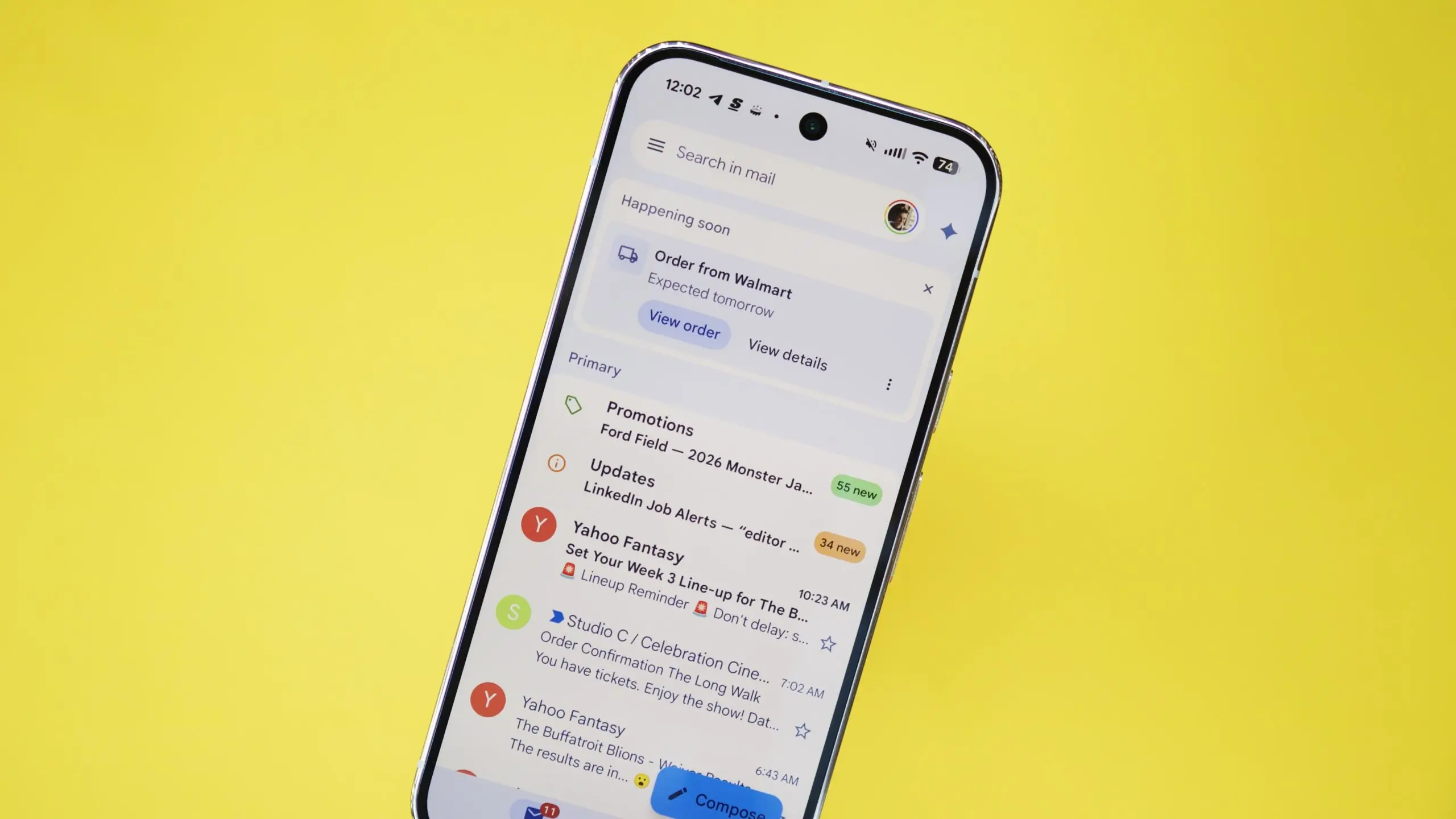
With the 2026 US midterm elections approaching, Gmail is rolling out a change that could significantly alter how political fundraising emails reach voters. Google’s new Gmail Verified Sender Program, starting September 8, will give qualifying political campaigns and committees an easier path around the service’s default spam filters. For anyone who has ever tried to unsubscribe from a torrent of campaign appeals, this may sound like unwelcome news. But the move is designed to balance deliverability with user control, and it arrives after years of debate over whether Gmail’s filters treated political emails unfairly.
Key facts at a glance
- The Gmail Verified Sender Program begins on September 8, 2026.
- It allows qualifying political committees, candidates, parties, and PACs to bypass Gmail’s standard spam filtering.
- Participants must use a verified domain, meet authentication and security standards, and keep user spam reports below 0.3% over a 14-day average.
- Google can suspend or remove senders that fail to comply, returning their emails to normal filtering.
- Gmail users retain the ability to mark messages as spam, block senders, and unsubscribe.
- The program arrives less than two months before the November 3, 2026 midterm elections.
What is the Gmail Verified Sender Program?
The Gmail Verified Sender Program is part of Google’s broader effort to improve email authentication and reduce spam across its platform. In recent years, Gmail has pushed senders to adopt stricter protocols, including SPF, DKIM, and DMARC, which help verify that messages actually come from the domain they claim to use. The new program extends that framework to political committees, offering a kind of trusted sender status to those who meet certain thresholds.
For political campaigns, the stakes are high. Email has long been one of the most efficient ways to reach supporters and raise money. A single fundraising appeal can bring in millions of dollars, and timing is everything. Messages that land in spam folders are often never seen, so campaigns spend considerable time and money maintaining their sender reputation. Google’s new program gives qualifying political groups a way to improve deliverability without relying on workarounds.
The program is not a blanket exemption from all filtering. It is better understood as a lane with fewer obstacles. Verified senders still need to comply with Gmail’s requirements, and their messages remain subject to user actions such as reporting spam. The key difference is that they will not be automatically penalized by the same aggressive filters that apply to unknown or low-reputation senders.
Requirements for participation
To participate in the Gmail Verified Sender Program, political committees must satisfy several conditions. Google has outlined a set of requirements designed to prevent abuse and protect users from unwanted email.
First, senders must use a verified domain. This means the domain must be authenticated and linked to the sending organization in a way that Gmail can confirm. Domain verification helps prevent impersonation and makes it harder for bad actors to hide their identity.
Second, participants must meet Google’s authentication and security standards. This includes adopting standard email authentication methods such as SPF, DKIM, and DMARC. These protocols allow Gmail to check that an email was sent by an authorized server and has not been tampered with during transit.
Third, senders must keep their spam complaint rate below 0.3% based on a 14-day average. In other words, fewer than three out of every 1,000 messages sent by a campaign should be marked as spam by Gmail users. This is a strict threshold, and it means campaigns need to be thoughtful about how often they email supporters and how relevant their messages are.
If a participant fails to meet these requirements, Google can suspend or remove them from the program. Once removed, their emails will go back through Gmail’s normal filtering system. This enforcement mechanism is intended to keep the program from becoming a loophole for mass emailers who ignore user preferences.
Why Google is making the change
Google has said the program is intended to help connect people with emails they actually want while keeping users in control of their inboxes. The company has long faced pressure from political groups over email deliverability, particularly from Republican committees who alleged that Gmail’s spam filter disproportionately affected conservative fundraising messages.
Those complaints date back several years. In 2022, researchers and political operatives raised questions about Gmail’s algorithms after a study from North Carolina State University suggested that Gmail’s spam filter had a bias against conservative emails. The study was later revised, and Gmail’s practices remained a topic of debate. In 2023, the Republican National Committee sued Google, alleging that the company was intentionally suppressing Republican fundraising emails. A federal judge dismissed the lawsuit, but the underlying concerns did not disappear entirely.
The Federal Election Commission also considered a related complaint but dismissed it, leaving the question unresolved. Google has consistently denied any political bias, pointing to its neutral spam filters and the fact that user behavior plays a major role in determining which emails are marked as spam.
By creating a formal verified sender program for political committees, Google may be trying to address these concerns in a structured way. Instead of relying on opaque algorithms, campaigns can follow clear requirements and earn better deliverability. This could reduce the appearance of bias, even if the underlying filters remain unchanged.
What this means for Gmail users
For average Gmail users, the launch of the Verified Sender Program is likely to mean more political emails in the primary inbox during the final stretch of the 2026 election cycle. Candidates and parties will have a stronger incentive to invest in their sender infrastructure and grow their email lists, knowing that those messages are more likely to be seen.
That could be exhausting for voters who are already inundated with political content. Midterm elections generate billions of dollars in fundraising, and email is one of the most direct channels for campaigns to solicit donations. With a clearer path to the inbox, political committees may ramp up their appeals in the weeks leading up to Election Day.
It is important to remember that users still have tools to manage unwanted email. Gmail allows users to mark any message as spam, block specific senders, and unsubscribe from commercial email lists. Political emails are not exempt from these user controls. If a verified sender’s emails are frequently marked as spam, they risk losing their verified status.
Historical context: political email fundraising
Political email fundraising has grown dramatically over the past two decades. Barack Obama’s 2008 presidential campaign demonstrated the power of small-dollar online donations, and the strategy became a cornerstone of political campaigns ever since. Today, campaigns send dozens or even hundreds of emails per month, testing subject lines, calls to action, and urgency tactics to maximize donations.
The rise of digital fundraising has also made email deliverability a battleground. Campaigns know that a message sent at the right time with the right subject line can produce an immediate spike in donations. At the same time, spam filters have become more sophisticated, learning from user behavior to identify unwanted messages.
Gmail is one of the largest email providers in the world, so its policies have an outsized impact on political fundraising. Any change to its filtering system can shift the balance of power between campaigns and shape which messages voters see.
Potential concerns and next steps
Not everyone is likely to welcome the new program. Consumer advocates and privacy groups may worry that giving political senders privileged access to inboxes will make it easier for campaigns to overwhelm voters. There are also questions about enforcement. With thousands of political committees across the country, monitoring spam rates and authentication compliance will not be easy.
Google’s approach is not entirely novel. Other email providers have offered similar verified sender programs for legitimate bulk senders, such as newsletters and transactional email services. The difference here is that the program is specifically tailored to political committees, a category of senders that is particularly sensitive due to campaign finance rules and the public interest in political speech.
The timing is also significant. With the program starting on September 8, 2026, campaigns will have roughly eight weeks to take advantage of it before the November 3 elections. That is a short window, but it covers the period when fundraising typically intensifies. Political committees that can meet the requirements quickly will have a clearer path to supporters’ inboxes during the final push.
Gmail users who want to reduce the number of political emails they see can take proactive steps. Unsubscribing from lists they no longer want, marking unsolicited emails as spam, and using Gmail’s filters to automatically archive or delete certain senders can all help keep the inbox manageable. These user signals also help Google determine which senders are providing value and which are not.
The Verified Sender Program is another reminder that email remains one of the most important communication tools in modern life, even as newer platforms like messaging apps and social media have grown. For political campaigns, the inbox is a direct line to supporters that cannot be ignored. Google’s latest move ensures that line remains open, but with guardrails.
Source:Android Authority News