

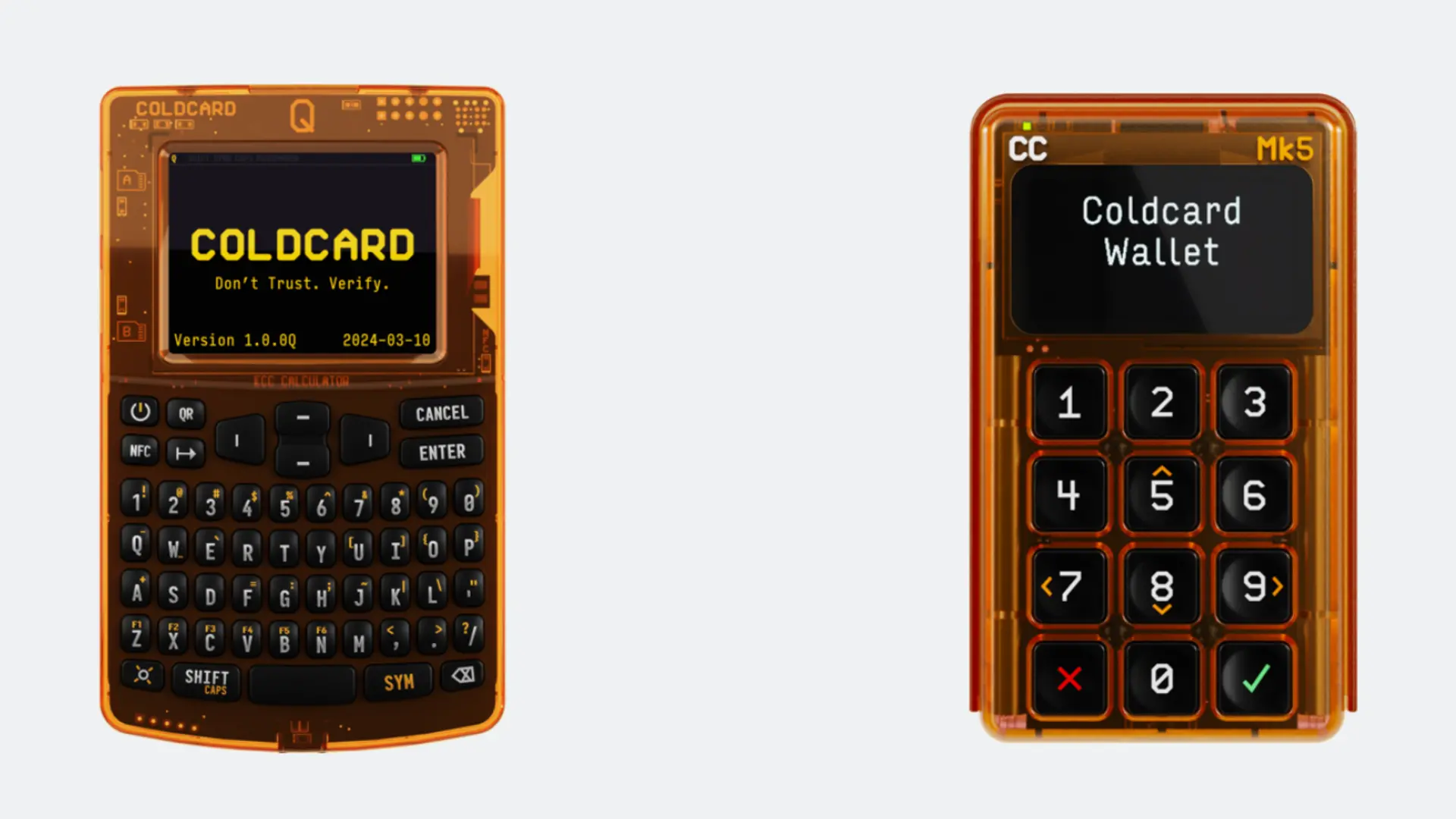
Coldcard, a leading manufacturer of bitcoin hardware wallets, has issued an urgent security alert advising users to move their bitcoin immediately as an ongoing exploit continues to drain funds from self-custodied wallets. The company disclosed that the vulnerability, which has already resulted in losses of roughly $114 million, remains live and is affecting specific models and firmware versions.
The warning comes as a shock to the bitcoin community, given Coldcard's reputation for security and its popularity among privacy-focused users. The wallet maker's devices are commonly used by individuals who prefer to hold their own keys and avoid relying on centralized exchanges. However, this exploit has exposed a critical weakness in how some wallets generate their seed phrases, allowing attackers to guess poorly randomized keys and steal funds.
What is the Exploit?
According to the security advisory, the vulnerability is tied to the firmware running on certain Coldcard devices. The flaw has been dormant in the firmware since 2021, but it has recently been actively exploited. Attackers are able to guess the seed keys of affected wallets because of insufficient randomness in the key generation process. Once the seed is compromised, the attacker can derive the private keys and transfer all bitcoin out of the wallet.
The exploit is not a remote attack. Instead, it appears to target wallets that were created using a specific method and then updated to vulnerable firmware versions. The exact technical details have not been fully disclosed, likely to prevent further exploitation, but the company has provided clear instructions on which devices are at risk.
Affected Devices and Firmware Versions
The vulnerability affects a wide range of Coldcard products. Users with a Coldcard Mk3 device that was set up on firmware version 4.0.1 or later are exposed. Additionally, the Mk4, Mk5, and Q devices are vulnerable if they are running older firmware versions. The company has not yet released a patch that fully resolves the issue, which is why the urgent recommendation is to move funds to a safe wallet immediately.
It is important to note that not all Coldcard wallets are affected. Users who created their wallets using the dice-roll option are considered safe. The dice-roll method is a manual seed generation process that relies on physical randomness from rolling dice, rather than the device's internal random number generator. This method has long been recommended for maximum security, and it appears to provide protection against this particular vulnerability.
For those who are unsure whether their wallet is at risk, Coldcard has advised checking the firmware version and the method used to generate the seed phrase. If the wallet was created via the device's standard random number generator and is running vulnerable firmware, the only safe course of action is to move the bitcoin to a new wallet generated with the dice-roll method or to a different hardware wallet entirely.
Background on Coldcard and Self-Custody
Coldcard is a product of Coinkite, a Canadian company that has been producing bitcoin hardware wallets since 2017. The Coldcard series is known for its minimalist design, open-source firmware, and advanced features such as air-gapped signing and support for Bitcoin Improvement Proposals (BIPs). It is often used by bitcoin enthusiasts who want a high level of control over their private keys.
The broader context of this exploit is the growing importance of self-custody in the cryptocurrency world. Following the collapses of several centralized exchanges in recent years, many investors have moved their assets into hardware wallets to ensure they have direct ownership of their funds. However, this incident highlights that even hardware wallets are not immune to vulnerabilities, especially if the firmware is not kept up to date or if the seed generation process is flawed.
Security experts have long argued that the weakest link in any cryptocurrency setup is often the user's own practices. Poor key management, reuse of passwords, and improper handling of seed phrases are common causes of loss. But this Coldcard exploit is different because it is a flaw in the device itself, affecting even experienced users who followed all recommended procedures.
Impact on the Bitcoin Market
The news of the exploit has not significantly affected the bitcoin price, which has remained near $63,800. This resilience suggests that the market is somewhat accustomed to security incidents in the cryptocurrency space, or that the total losses, while substantial, are still a small fraction of the overall market capitalization. Nevertheless, the incident has renewed discussions about the security of hardware wallets and the need for robust randomness in key generation.
At the time of writing, bitcoin is trading around $65,000, showing a slight recovery despite the negative news. The exploit has not caused a panic sell-off, but it has raised concerns among long-term holders who rely on hardware wallets for their security. Some users have already taken to social media to express their frustration and to share tips on how to migrate to safer alternatives.
How to Protect Yourself
Coldcard has provided a clear set of steps for users who may be affected by this exploit. The first is to stop using the vulnerable device and transfer all bitcoin to a secure wallet immediately. The safest option is to create a new wallet using the dice-roll method, which is not affected by the vulnerability. Users can also move their funds to another hardware wallet, such as a Trezor or Ledger, although they should ensure that the new device is set up with a secure seed generation process.
For those who want to continue using Coldcard, the company is expected to release a firmware update that addresses the vulnerability. In the meantime, it is recommended to keep the device offline and avoid using it for any transactions. The exploit is reported to still be in progress, meaning that any delay in moving funds could result in additional losses.
Technical Details and History
The vulnerability is said to stem from a flaw in the random number generator used during wallet creation. If an attacker can predict or guess the generated seed key, they can drain the wallet. The fact that the flaw has existed since 2021 indicates that it was introduced during a firmware update and has not been detected until now. This raises questions about the testing and review processes for hardware wallet firmware, which is typically open-source and subject to community audits.
In the past, Coldcard has been praised for its transparency and its willingness to engage with security researchers. The company has a bug bounty program and has previously released advisories about potential issues. However, this exploit seems to have caught both the company and its users off guard. The $114 million in losses is a significant amount, and it is likely that the attackers have been operating for some time without being detected.
It is also worth noting that the exploit is not specific to bitcoin itself, but rather to the way certain wallets generate and store private keys. Similar vulnerabilities have been found in other hardware wallets in the past, leading to improved standards for key generation. The industry as a whole may need to revisit these standards to prevent future attacks.
Community Response and Next Steps
The bitcoin community has reacted with alarm to the news. Many users have shared their own experiences and have urged others to check their devices immediately. Some have criticized Coldcard for not disclosing the vulnerability sooner, while others have defended the company, noting that responsible disclosure is a complex process. Regardless of the opinion, the consensus is clear: users must take action now to protect their funds.
Moving bitcoin from a vulnerable wallet is not a trivial process, especially for users with large amounts. It requires careful planning to avoid making mistakes during the transfer. Coldcard has published a guide that walks users through the process of creating a new wallet, generating a new seed phrase, and transferring all funds. The guide also includes tips on securely storing the new seed phrase offline.
In the long run, this incident may lead to increased awareness about the importance of randomness in cryptographic key generation. Hardware wallet manufacturers may need to implement additional safeguards, such as requiring users to manually add entropy or to verify the randomness of their seed phrases. Until then, users are advised to exercise caution and to stay informed about any security updates from their wallet providers.
Source:Coindesk News