

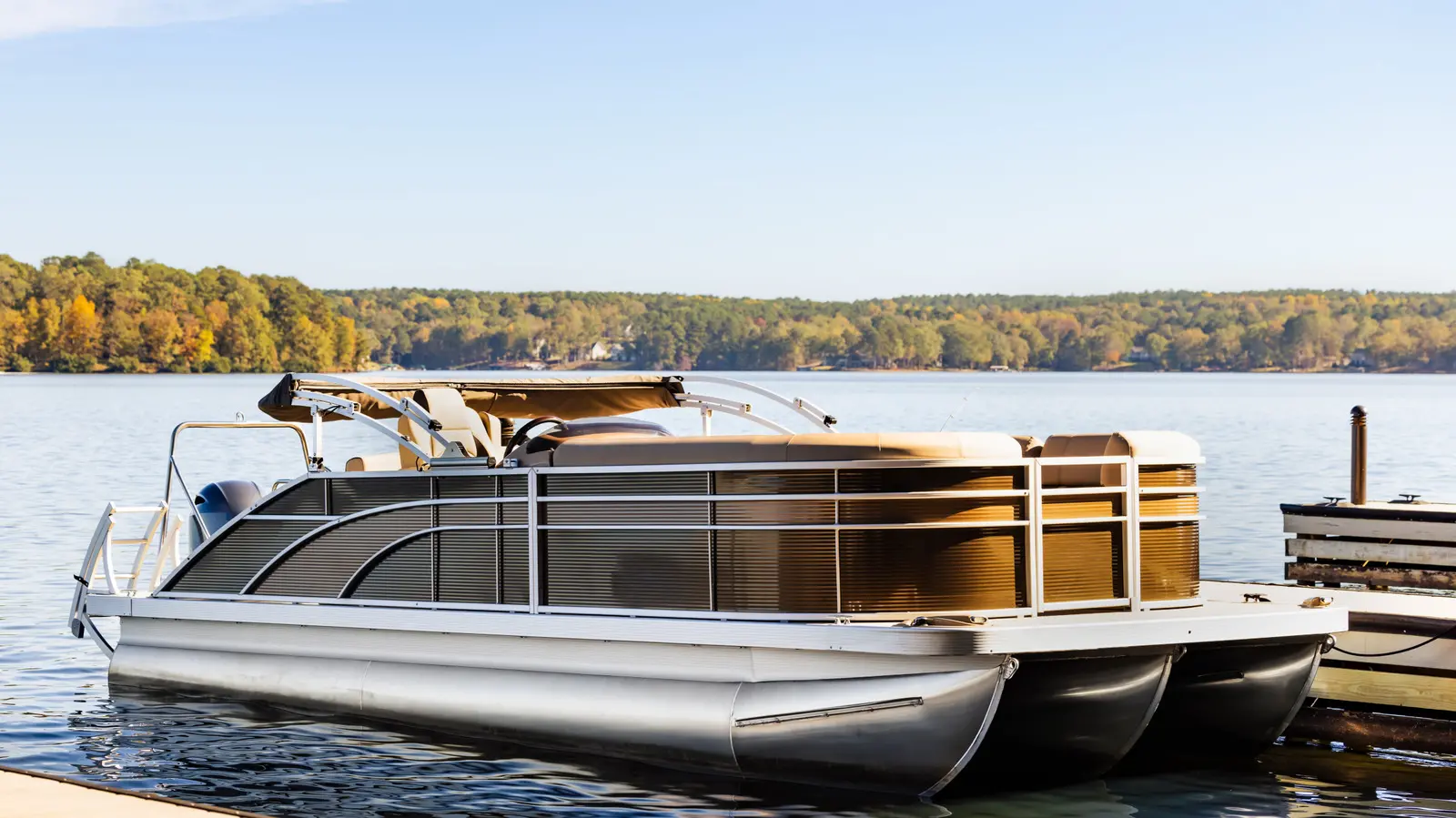
What Happens When You Take a Freshwater Boat Into the Ocean?
A freshwater boat may look capable of handling open water, but its design, materials, and safety systems are usually chosen for lakes, rivers, ponds, and protected inland waterways. Moving that same vessel into the ocean adds salt, wave energy, currents, tides, and a much harsher operating environment. The result is not always immediate failure, but the risks are real: faster corrosion, hull and component damage, rising repair costs, and in some cases serious danger to everyone aboard.
Boats are not a single category. Some small craft are built for sheltered water, while others are engineered for offshore conditions. A vessel sold as a freshwater boat can vary widely in construction, equipment, and intended use. That is why the most important first step is not a generic rule but a specific evaluation of the boat itself. A qualified marine professional should confirm whether a particular hull, engine, electrical system, and trailer setup can tolerate saltwater use.
Key facts
- Freshwater boats are generally not designed for prolonged exposure to salt water, salt air, and ocean spray.
- Salt water can corrode surfaces and components much faster than freshwater, in some cases up to 10 times faster.
- Freshwater hulls are often flatter and shallower than ocean hulls, which can make them pound, suffer damage, or capsize in chop.
- Some boats are built or modified for both freshwater and saltwater use, but that capability must be verified by an expert.
- Even freshwater operation requires engine flushing and routine maintenance because contaminants can cause corrosion over time.
Why salt water is so hard on freshwater boats
Corrosion is the most predictable consequence of taking a freshwater boat into the ocean. Salt is chemically aggressive, and it remains on surfaces after the boat leaves the water. It can attack metal fittings, fasteners, electrical connectors, engine parts, and cooling passages. The original design may have used materials that were perfectly adequate for a lake or river but were never selected for saltwater exposure. Once those materials meet salt water and salt air, deterioration can begin quickly.
The difference in corrosion rates can be dramatic. Saltwater can corrode a surface as much as 10 times more quickly than freshwater. If a boat's materials were not chosen for saltwater use, the process can be faster still. At the very least, an owner may face costly repairs and upgrades earlier than expected. In worse cases, corrosion can compromise structural fittings, electrical reliability, or engine operation.
Corrosion is not always obvious. It can start in hidden crevices, under deck fittings, inside cooling passages, around fasteners, and at electrical grounds. A boat that looks clean on deck may have problems below the waterline or behind panels. Stainless steel, aluminum, and steel components all behave differently in salt water. Marine-grade stainless, anodized aluminum, tinned copper wiring, sealed connectors, and sacrificial anodes are common in saltwater boats for good reason. A freshwater boat may lack those protections.
Engine care is central to the problem. Outboard motors often should be flushed with clean water after use, and that recommendation becomes more important after saltwater operation. Even freshwater contains contaminants that can contribute to corrosion over time, so flushing and routine maintenance are not optional for any boat. In saltwater, cooling passages, thermostats, water pumps, and lower units may need more frequent inspection. A freshwater boat that spends time in the ocean may need earlier repairs, upgraded parts, and a more aggressive maintenance schedule than its owner expected.
Salt air adds another layer of wear. Electronics, wiring harnesses, switches, and electrical panels can suffer from moisture and chloride exposure. Corroded connections can cause intermittent faults, failed starting circuits, or navigation equipment problems. These issues may not appear during a short trial run, but they can become serious when the boat is offshore and far from assistance.
Hull shape changes the safety picture
Damage to the vessel is only one potential consequence. Sometimes, if a boat was designed with the assumption that it would be operated in freshwater, using it in the ocean can be unsafe for everyone onboard. Hull shape is a major reason. Ocean boats often have deep-V or modified-V hulls that cut through chop, deflect spray, and provide stability in waves. Freshwater boats are often meant for shallower water and may have flatter bottoms. Flat hulls can be efficient on calm inland water, but in ocean chop they can pound, slap, and land hard.
Repeated impacts can stress the hull, loosen fittings, crack tabbing, and damage components. The ride can also become difficult to control. A flat-bottomed boat may be more likely to ship water over the bow, may have less reserve buoyancy, and may lack the self-bailing ability of an ocean-designed craft. In rough conditions, the risk of swamping or capsizing increases.
Freeboard, deck drainage, bilge capacity, and weight distribution all matter. A boat that is stable on a lake can behave very differently when waves, swell, and currents combine. Operators should consider tide, current, wind, wave period, and distance from safe harbor. A protected lake allows a quick return to shore; an ocean run may not.
Weather adds another layer of risk. Ocean conditions can change quickly, and a freshwater boat may lack the range, fuel capacity, emergency systems, or sea-keeping qualities needed to handle a sudden squall. A boat that was fine for an afternoon on a reservoir may not be prepared for a long ocean passage or a rapid change in sea state.
Systems, equipment, and maintenance
Beyond the hull, saltwater reaches parts of a boat that freshwater owners may overlook. Trailer axles, brakes, lights, and wiring can corrode after launch and retrieval. Deck hardware, cleats, rails, and fasteners may corrode or seize. Fuel systems, hydraulic lines, steering components, and electrical grounds need inspection. A boat that was never intended for saltwater may have inadequate protection against galvanic corrosion, especially where dissimilar metals meet in wet environments.
Sacrificial anodes are a key example. Anodes are designed to corrode instead of critical metal parts, but their type, location, and replacement schedule depend on the water and the boat's systems. A freshwater boat may have no anodes or anodes selected for freshwater conditions. Saltwater operation may require different anodes and more frequent replacement. Shore power and stray current can create additional corrosion risks in marinas.
Safety equipment should be checked before any ocean trip. Personal flotation devices, fire extinguishers, bilge pumps, flares, noise-making devices, navigation lights, and a marine radio are basic considerations. A first-time launch deserves particular attention to plugs, fuel, battery charge, weather, and a float plan. The more research and preparation done before departure, the safer the outing.
Maintenance after saltwater use matters too. Freshwater rinsing, engine flushing, and inspection of metal and electrical parts can reduce damage, but they cannot turn a freshwater boat into a saltwater boat. Repeated exposure usually requires a higher level of care than occasional lake use. Owners should expect to inspect more often, replace corroded parts sooner, and keep detailed records of service.
When could a freshwater boat handle salt water?
Not every boat built for freshwater is unsuitable for salt water. Some vessels are designed with dual-use capability, and others can be modified with saltwater-rated components. Closed cooling systems, marine-grade wiring, sealed electrical connections, adequate anodes, self-bailing decks, high freeboard, robust bilge pumps, and corrosion-resistant hardware can all improve suitability. A professional inspection should verify not only the hull but also the engine, fuel system, steering, electrical system, and safety gear.
Even then, suitability is conditional. A boat may survive a brief saltwater launch with immediate freshwater rinsing, but repeated ocean use is a different standard. The owner should understand the maintenance burden, the expected lifespan of components, and the potential effect on resale value. Saltwater exposure can reduce the value of a boat that was not built for it, and repairs may arrive sooner and cost more than anticipated.
Insurance and documentation can also matter. Some insurers may ask about the boat's intended use and whether it is rated for salt water. A professional survey can identify corrosion, hull issues, and system weaknesses before they become failures. If the boat has been modified for saltwater use, records of those modifications and their quality should be reviewed.
What to verify before an ocean run
Before taking a freshwater boat into the ocean, verify the hull design and condition, the engine cooling system, the electrical system, the trailer, the safety equipment, and the boat's rated capacity. Check the weather and sea state, identify a safe harbor, and carry appropriate communication gear. Have a marine surveyor or qualified technician inspect the vessel.
If there is any doubt about whether the boat was designed for saltwater use, keep it out of the ocean until an expert confirms otherwise. The ocean is unforgiving of equipment and assumptions that were never built for it. A professional evaluation of the hull, systems, and safety gear is the most reliable way to decide whether a freshwater boat can make a saltwater trip without exposing the owner and passengers to unnecessary risk.
Source:SlashGear News