

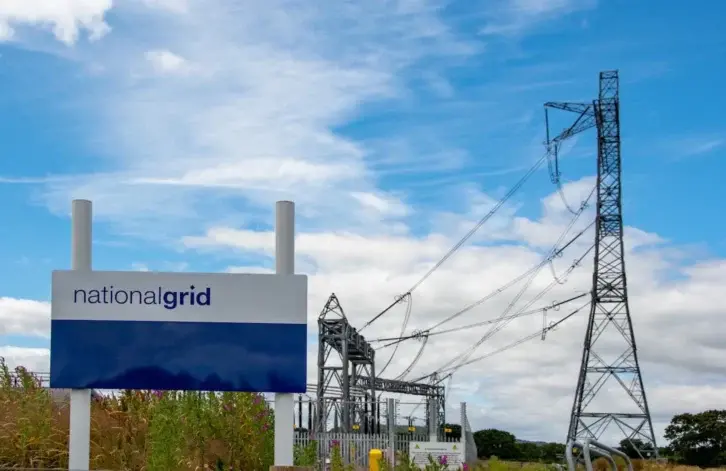
The United Kingdom’s energy grid is facing an unprecedented crisis, driven in large part by the explosive growth of artificial intelligence. AI data centers, which require vast amounts of electricity for computing and cooling, are straining an already aging infrastructure. As the nation strives to meet net-zero emissions targets, the need for innovative tech solutions has never been more urgent. This article delves into the challenges and the technological answers that could stabilise the grid while supporting digital progress.
The Perfect Storm: AI Demand Meets Grid Limitations
AI models are notoriously energy-hungry. Training a single large language model can consume as much electricity as hundreds of homes use in a year. Beyond training, the inference phase—when the model processes user queries—adds continuous load. The UK, home to a growing cluster of data centres near London and other hubs, now faces demand spikes that were unthinkable a decade ago. The National Grid has warned that peak electricity demand could double by 2035 if left unmanaged, with AI accounting for a substantial portion. This pressure is compounded by the retirement of fossil fuel plants, the intermittent nature of renewables, and bottlenecks in grid infrastructure.
Tech Solutions Already in Play
Fortunately, the very technology causing the strain also offers tools to fix it. Here are the most promising approaches:
AI-Optimised Grid Management
Ironically, AI can be used to manage the grid more efficiently. Machine learning algorithms can forecast energy demand with high accuracy, allowing operators to balance supply and demand in real time. For example, AI systems can predict when data centres will ramp up computing loads and automatically divert power from non-essential sources or activate battery storage. Companies like Octopus Energy are already using AI to adjust consumer demand through smart tariffs, smoothing peaks.
Demand Response and Flexibility Markets
Tech platforms enable demand response programs, where data centres and large industrial users agree to reduce consumption during peak hours. In exchange, they receive financial rewards. The UK’s Electricity System Operator (ESO) has launched flexibility markets that leverage software to aggregate thousands of small adjustments from electric vehicle chargers, heat pumps, and even home batteries. These collectively create a virtual power plant that can respond in seconds.
Next-Generation Energy Storage
Storage is critical to handle the variability of renewables and AI demand. While lithium-ion batteries are common, newer technologies like flow batteries and compressed air energy storage offer longer duration. Tech giants like Google and Microsoft are investing in behind-the-meter batteries at their data centres, allowing them to store excess renewable energy and discharge during high-demand periods.
Renewable Integration and Grid Modernisation
Upgrading the physical grid is essential but expensive. Smart grid technologies—sensors, IoT devices, and advanced communication networks—can double the capacity of existing lines by monitoring thermal limits dynamically. The UK has committed to building new offshore wind farms, but without a smarter grid, much of that energy could be wasted. Tech companies are partnering with utilities to trial dynamic line ratings and automated switching that optimise power flows.
Regulatory and Policy Enablers
Technology alone cannot solve the crisis. The UK government must streamline planning approvals for grid upgrades and data centre connections. The recent 'Connect 350' initiative aims to fast-track grid reinforcements, but bureaucratic delays persist. Additionally, Ofgem, the energy regulator, is exploring time-of-use tariffs that reward flexible consumption. These policies, combined with tech innovation, create a framework for resilience.
Case Study: The London Data Hub
One notable example is a major data centre in Slough that worked with National Grid to install a 30 MW battery system. When grid frequency drops, the batteries inject power within milliseconds, stabilising the network. The facility also uses AI to shift non-critical workloads to off-peak hours, reducing pressure on local transformers. This model is now being replicated across the Thames Valley region.
The Road Ahead: Collaboration and Innovation
Solving the UK’s energy grid crisis requires a coordinated effort among tech firms, utilities, regulators, and consumers. The next wave of innovation lies in edge computing, where processing moves closer to data sources, reducing long-distance transmission needs. Advances in liquid cooling, chip efficiency, and renewable-powered microgrids will also contribute. While the crisis is real, it is not insurmountable. With the right deployment of AI and smart technologies, the UK can power its digital future without compromising climate goals or grid stability.
Source:Uktech News