

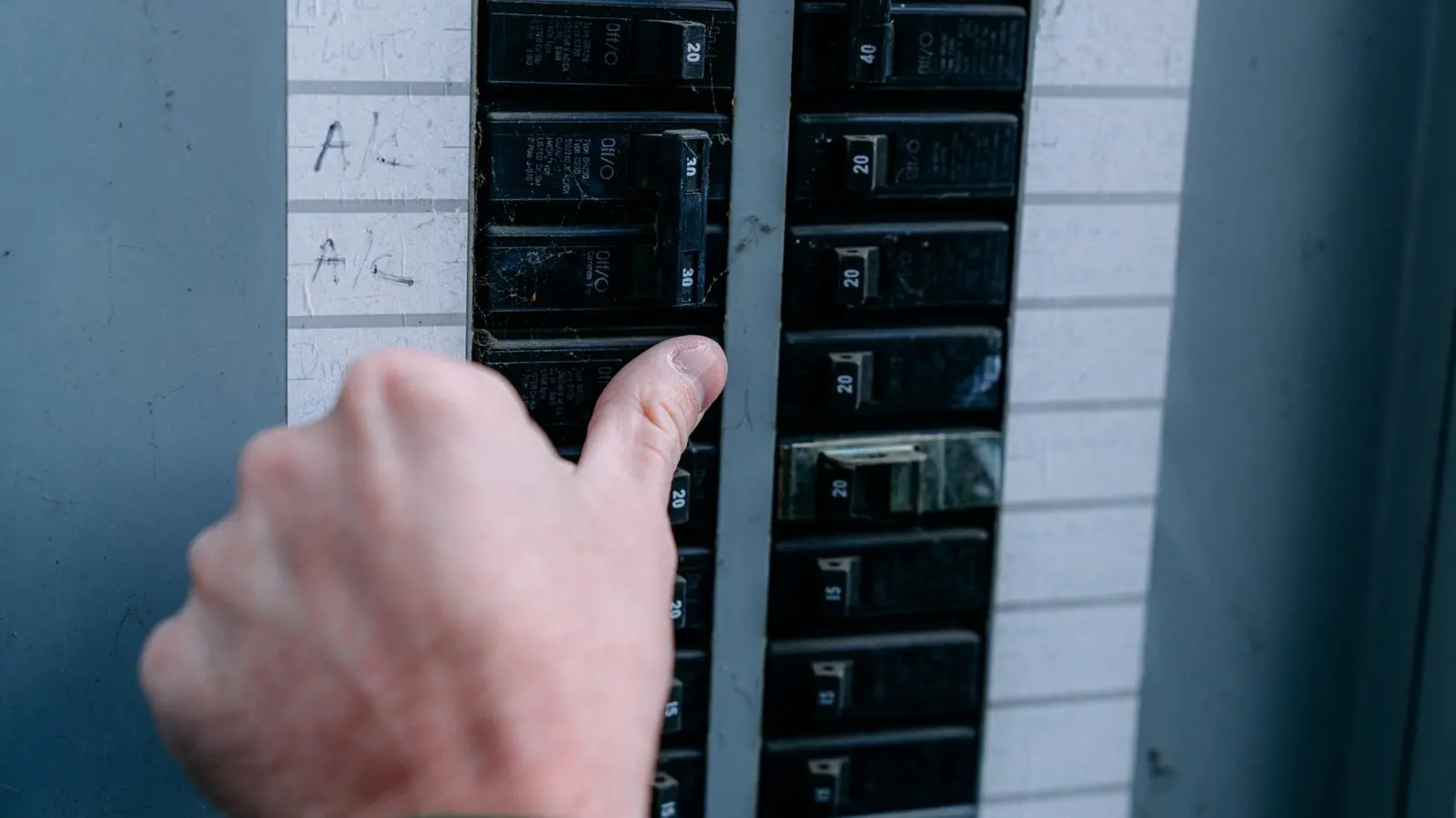
Circuit breakers are an integral part of any home, protecting the electrical circuit against overloads and short circuits. When it detects excessive current, the circuit breaker trips, stopping the flow of electricity. But as it turns out, a circuit breaker can go bad even without tripping, which can happen when the circuit breaker develops faults with any of its internal components, like the contacts, springs, coils, strips, and more.
Circuit breakers can go bad after being in use for an extended period due to normal wear and tear. Over time, for example, springs lose tension, or if the circuit experiences frequent overloading, the breaker can fail sooner. It goes without saying that low-quality circuit breakers are more likely to go bad than those from reputable manufacturers, and in most use cases, you'll likely discover a cheap circuit breaker malfunctioning even if it hasn't tripped.
A faulty circuit breaker is a cause for concern, as it may not stop the flow of current during overload or short circuit. This can damage electrical appliances on that particular circuit and increase the risk of electric shock and fires. The good news is that detecting a bad circuit breaker is fairly easy, as there are a few obvious signs that tell you when it's time to get it inspected or spend the money to install a new circuit breaker.
What happens inside a circuit breaker?
To understand why a breaker can go bad without tripping, it helps to know what happens inside the small plastic case. A standard thermal-magnetic circuit breaker contains two primary mechanisms: a bimetallic strip and an electromagnet. The bimetallic strip bends when heated by prolonged overcurrent, eventually tripping the mechanism. The electromagnet instantly trips the breaker during a short circuit, when current spikes dramatically. Both mechanisms rely on springs, contacts, and hinges to physically separate the electrical contacts and interrupt current flow.
If any of these internal components wear out or become misaligned, the breaker may fail to perform its safety function. The contacts can become pitted or corroded from repeated arcing, the springs can lose tension and fail to snap the contacts open, or the bimetallic strip can drift out of calibration. In such cases, the breaker still appears to be in the "on" position, and it may even continue passing power to the circuit, but it may no longer trip when it should. This is the most dangerous type of breaker failure because there is no visible indication that protection has been lost.
Why a circuit breaker can fail without tripping
Several factors can cause a breaker to go bad silently. Age is one of the most common. Circuit breakers are mechanical devices, and they wear out over decades of normal use. The internal springs and contacts are especially vulnerable to fatigue. A 20- or 30-year-old panel may contain breakers that are still functional but have lost their sensitivity to overloads.
Frequent tripping also accelerates wear. Every time a breaker trips, an electrical arc is drawn between its contacts. While the arc is contained and extinguished, it slowly erodes the contact surfaces. If a circuit is regularly overloaded, the breaker may trip dozens of times, each time bringing it closer to failure. Eventually, the contacts may become so damaged that they weld together or fail to separate, even when the thermal mechanism calls for a trip.
Environmental conditions matter too. Breakers installed in damp, dusty, or hot locations are more likely to corrode or collect contaminants. Loose connections at the panel bus bar or at the breaker terminals can generate heat, which damages the breaker over time. Power surges, whether from lightning or utility switching, can also damage the internal components without causing a visible trip.
Quality is a major factor. Breakage rates are higher among off-brand or counterfeit breakers, which may use substandard materials and lack the rigorous testing of products from established manufacturers. A cheap breaker might work fine initially but fail earlier due to thinner contacts and weaker springs. For this reason, building codes and electricians often recommend using only breakers that are listed and rated for the specific panel.
Common signs of a bad circuit breaker
One of the most common signs of a bad circuit breaker is excessive heat generation. A circuit breaker shouldn't be unusually hot during normal operations, but if you notice it's constantly hot or there's a burning smell, it's likely that the circuit breaker is bad. Additionally, check for any burn marks, melted casing, charring, signs of arcing, and listen for buzzing or crackling sounds coming from the electrical panel.
Heat and burning smells
Heat is a red flag. Under normal load, a breaker might be slightly warm, but it should never be too hot to touch. If the breaker face feels hot, that indicates internal resistance, a loose connection, or an overload that the breaker is not handling correctly. A burning smell coming from the panel is even more serious, as it often means that plastic is melting or wires are overheating. In such cases, the breaker should be replaced immediately.
Flickering lights and power fluctuations
Beyond this, flickering or dimming lights, intermittent power loss, or appliances shutting off unexpectedly are other obvious signs for the average homeowner. If you notice that appliances suddenly feel underpowered or are underperforming, it may also be an indication of a failing circuit breaker. To find out what's at fault, you can connect the appliance to an outlet on a circuit in another area. If the problem persists, it could be the appliance, but if things seem alright, you may need to get the circuit breaker checked out.
Lights that flicker when you switch on a vacuum cleaner or a hair dryer can indicate a breaker that is struggling to maintain stable current. Similarly, a computer that suddenly shuts down or a refrigerator that seems to run poorly could be drawing current through a failing breaker. These signs are easy to dismiss, but they are often the first clue that a breaker has gone bad.
Physical damage and sounds
The breaker itself can display physical evidence of trouble. Inspect the panel cover and the area around the breaker for discoloration, soot, or a brownish residue. Melted plastic, tiny burn marks, or a warped switch face are all signs of arcing or excessive heat. Buzzing or crackling sounds coming from a breaker are also abnormal. A healthy breaker should be silent, and any noise indicates loose parts or electrical arcing.
Breaker won't reset or trips immediately
Lastly, if the circuit breaker feels stuck and doesn't move to the ON position, or trips as soon as it's set to ON, it's an obvious indicator that there's a problem somewhere. A breaker that trips instantly might be doing its job in the case of a genuine short circuit, but if the circuit is known to be clear, then the breaker itself might be faulty. A breaker that feels mushy or loose when you toggle it may also have internal damage to its mechanism.
How to test if a circuit breaker is bad
While some signs are obvious, others require more careful investigation. A homeowner with basic electrical knowledge can perform a few tests, but safety must always come first. It is dangerous to work around a live electrical panel, and only qualified individuals should remove the panel cover or touch the bus bars.
The simplest test is to swap the suspect breaker with another breaker of the same rating in the panel, ideally one that is known to work. If the problem moves to the new circuit, the original breaker is bad. If the problem stays, the issue may be in the wiring or the appliance. This test is quick but requires caution because the breaker must be handled while the panel is live.
Another method is to use a digital multimeter to check the breaker's output voltage. With the breaker on, you can measure the voltage between the load terminal and the neutral bus. A healthy 120-volt breaker should read around 110 to 125 volts. If the voltage is significantly lower or absent, the breaker may have internal problems. However, this test does not always reveal a breaker that fails to trip under overload, because it only measures current-carrying capacity, not protective function.
Testing the tripping function is more complex and usually requires specialized equipment, such as a breaker tester or a clamp meter that can inject a test current. Because of this, many electricians recommend simply replacing a breaker that shows any sign of age or damage. Breakers are relatively inexpensive compared to the cost of a house fire or a serious electric shock.
Preventive maintenance and when to call a professional
Even though circuit breakers can last decades, operating conditions play a major role, and ignoring signs is a common electrical mistake many people make, putting their homes at risk. Regular maintenance can extend the life of breakers and reduce the chance of silent failure. Homeowners should occasionally check the electrical panel for any visible damage, ensure the panel is not blocked, and avoid overloading circuits.
It is also wise to document the age of the panel. If your home has older breakers, especially those made by manufacturers with a history of problems or ones that have been recalled, it may be worth having them inspected. Professional electricians can perform a thermal scan of the panel to identify hot spots, test breaker tripping times, and verify that all connections are tight.
When a breaker is suspected of being bad, it is best to consult a professional. Attempting to replace a breaker without proper training can result in severe injury or additional damage to the electrical system. Most DIY enthusiasts can safely change an outlet or a switch, but working inside a breaker panel is a different matter. There is a real risk of contacting energized bus bars, which remain live even when the main breaker is turned off unless the utility service is disconnected.
Replacement breakers should always match the panel brand and the current rating of the old unit. Installing a higher-rated breaker to stop nuisance tripping is extremely dangerous, as it can cause the wires to overheat and start a fire before the breaker ever trips. Similarly, pushing a breaker that refuses to stay on is never a solution; it indicates a real problem that needs investigation.
In many cases, a bad breaker can be detected early and replaced before any damage occurs. Knowing the warning signs, understanding how breakers fail, and calling an electrician when something seems off are the best ways to keep your home's electrical system safe. Failing to take these steps transforms a small, easy fix into a potentially life-threatening hazard. If you notice any of these signs in your own panel, do not ignore them. Schedule an inspection and, if necessary, install a new circuit breaker to restore reliable protection.
Source:SlashGear News