

Key facts at a glance
- Apple is marking the 25th anniversary of the original iPod, which was unveiled on October 23, 2001.
- A new easter egg appears on the company's music website when a visitor reaches a Page Not Found screen.
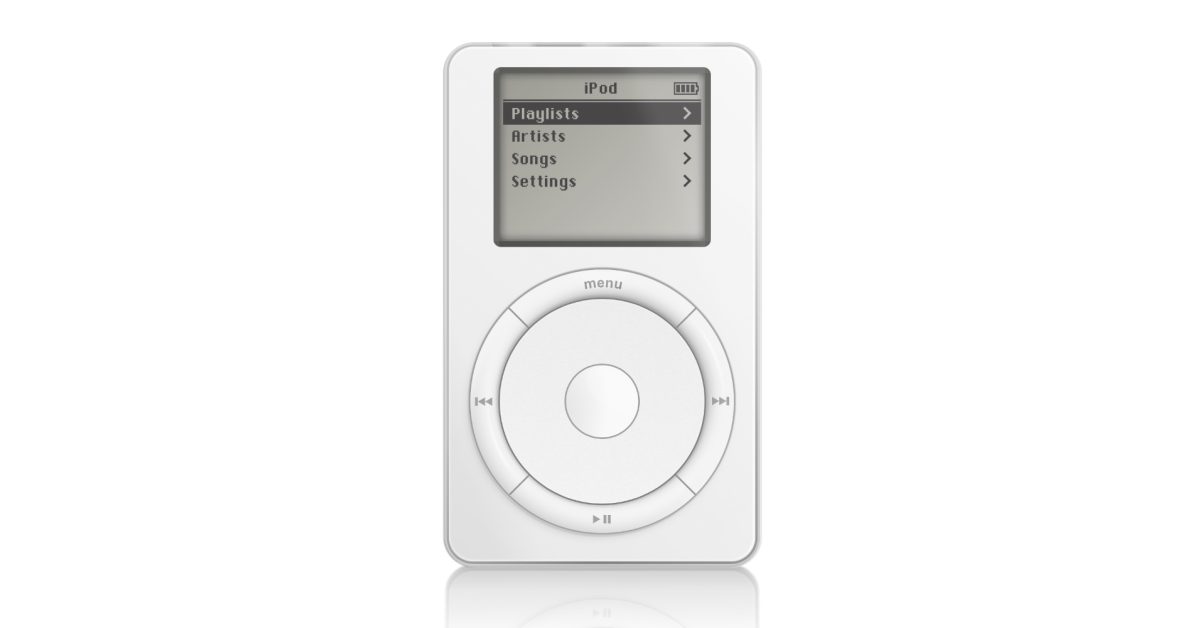
- The error page displays a fully interactive model of the original iPod rather than a static image.
- Entering a nonexistent path such as /ipod, or any other unused address on the site, brings up the experience.
- Visitors can click the iPod's buttons and drag the scroll wheel to move through menus.
- The device includes pre-installed songs from artists who were popular around the time of the iPod's launch.
- Selecting a track plays a 90-second preview directly in the web interface.
- The easter egg celebrates a product line that has been discontinued but remains culturally influential.
A hidden anniversary tribute
Apple has found a quiet way to mark a major milestone. The original iPod was unveiled on October 23, 2001, and 25 years later the company is using a corner of its music website to remember the device. The tribute is not a press release, a new product, or a prominent homepage banner. It is an easter egg, hidden in plain sight on the Page Not Found screen.
The discovery is simple to reproduce. A visitor who goes to the music site and adds a path that does not exist is greeted by the usual error message, but the page also contains a working digital version of the first iPod. The /ipod path is one example, and any other nonexistent address on the same site can produce the same result. Instead of a dead end, the visitor gets a small interactive exhibit.
That choice fits the occasion. Anniversaries are often handled with timelines, interviews, and glossy retrospectives. Apple's approach is more playful. It places the memory inside an error page, where only curious visitors are likely to find it. The reward is not information about the iPod but the chance to use a simulation of one.
How the interactive iPod works
The model is not a video or a static illustration. It recreates the look and behavior of the original iPod closely enough that visitors can operate it with the same logic as the physical device. The screen, the click wheel, and the buttons are all part of the web interface. Clicking the buttons moves through the menus, and the scroll wheel responds when the visitor clicks and drags it around.
That detail matters. The original iPod's scroll wheel was one of its defining features. It allowed users to move through long lists of songs quickly, and its physical motion became a signature part of the experience. In the browser version, the wheel cannot rotate under a thumb, but the click-and-drag interaction preserves the idea of circular navigation. The page asks the visitor to use the wheel rather than replace it with a standard list of links.
The software inside the simulation includes pre-installed songs. These tracks come from artists who were popular around the time the iPod made its debut, which grounds the easter egg in the early 2000s rather than the present day. When a visitor selects a song, the page plays a 90-second preview. The previews keep the experience self-contained and legal while still giving the model something to play.
The result is a small, focused interaction. There is no account setup described in the experience, no download, and no attempt to turn the page into a full music player. The visitor can browse, press buttons, spin the wheel, and hear a sample. Then the page remains what it always was: an error screen with a surprise inside.
Why the original iPod still matters
The first iPod arrived at a turning point in digital music. Portable MP3 players already existed, but many were clumsy, limited, or difficult to use. Apple's pitch was integration: a hard drive small enough to fit in a pocket, software that made syncing simple, and an interface that could be understood without a manual. The original model held 5GB of music, enough for roughly 1,000 songs, and it used a FireWire connection. It was not inexpensive, and it was not the first player of its kind, but it combined capacity, design, and usability in a way that captured attention.
The product line expanded quickly. The iPod mini brought a smaller form factor and different colors. The iPod shuffle removed the screen and pushed random playback. The iPod nano replaced the hard drive with flash storage and became one of the most recognizable music players of its era. The iPod touch added a touchscreen and app capabilities, moving closer to the iPhone. The classic model stayed close to the original formula, with a click wheel and a large storage capacity, until Apple discontinued it in 2014. The iPod touch lasted until 2022, when Apple ended the line.
By then, the dedicated music player had been absorbed into the smartphone. The iPhone could store music, stream it, and connect to wireless headphones. The iPod's core idea—carrying a personal library in a pocket—did not disappear. It became part of almost every mobile device. The easter egg works because it recalls the moment when that idea was still new and when a single-purpose device could feel revolutionary.
The nostalgia is not only about the hardware. It is also about the ritual of loading music, scrolling through albums, and choosing a track with a physical control. Streaming has made millions of songs available instantly, but it has also changed the way listeners browse. The interactive iPod brings back a slower, more deliberate form of navigation. The visitor sees a menu, moves through it, and selects a song. The limitation is part of the charm.
The business and design context
Apple has a long history of using its website for small surprises. Product pages are polished and promotional, but error pages and hidden routes sometimes carry a more human touch. The iPod easter egg fits that tradition. It does not sell a subscription, announce a new device, or ask the visitor to sign up. It simply rewards curiosity with a working model of a famous product.
The timing also serves a broader purpose. The iPod is a legacy product, but it remains part of Apple's identity. The company's music business now runs through streaming, and the iPhone is the primary device for listening. A tribute to the iPod allows Apple to acknowledge that history without suggesting that the product is returning. The easter egg is a memory, not a roadmap.
The design of the page reflects that balance. The iPod model is rendered in a way that makes it feel like an object, not just an icon. The buttons respond, the wheel moves, and the screen changes. The experience is compact and self-contained, which keeps the error page from becoming cluttered. The visitor is not asked to learn a new interface; the interface is the familiar one from the original device.
There is also a practical reason for using previews. A full music playback experience would require licensing, accounts, and infrastructure. A 90-second sample is enough to demonstrate the interaction and evoke the period. The page can remain a light easter egg while still giving the visitor something to hear. The songs are selected to match the era, so the previews do not feel arbitrary.
A small reward on a dead-end page
Error pages are usually treated as failures. They tell visitors that something went wrong and then push them back toward the homepage. The iPod easter egg reverses that expectation. The visitor has reached a page that does not exist, but the page responds with a piece of computing history. The mistake becomes the entry point.
That inversion is why the easter egg works. It does not need a large audience. It needs curious visitors who notice the model, click the buttons, and try the wheel. The experience is small enough to be missed and detailed enough to reward the people who find it. It also gives longtime iPod users a way to revisit a familiar interface without buying vintage hardware.
The anniversary itself is the anchor. Twenty-five years after the original iPod was unveiled, the device is no longer a current product, but its influence is still visible in the devices people carry every day. The web simulation does not attempt to recreate the entire history of the iPod line. It focuses on the first model, the one that introduced the click wheel and the promise of a thousand songs in a pocket.
For now, the easter egg remains a hidden page rather than a public campaign. It turns a Page Not Found screen into a small interactive museum exhibit, complete with a working wheel, responsive buttons, era-appropriate songs, and short previews. The visitor can operate the model, hear a sample, and move on. The iPod may be discontinued, but on that error page it still responds to a click.
Source:9to5Mac News