

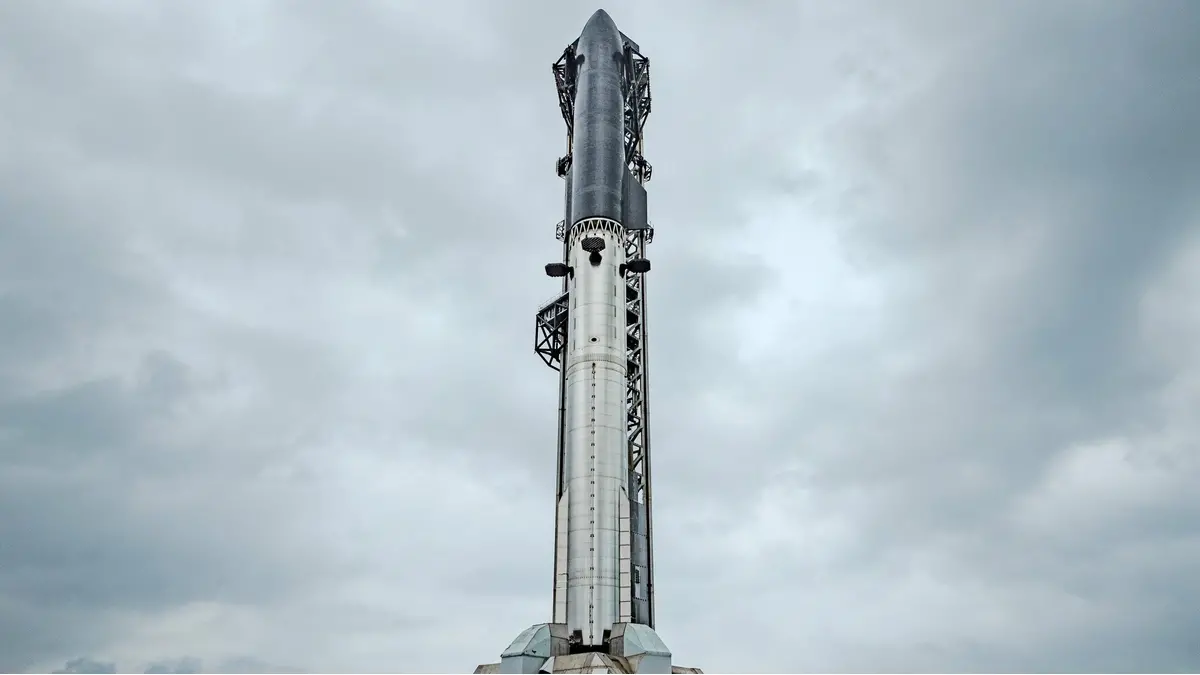
The stock market debut of SpaceX, once heralded as the most anticipated IPO of the decade, has turned into a painful wake-up call for investors. After surging from its initial public offering price of $135 to an intraday high of $225 on June 12, 2026, shares of the private spaceflight company have collapsed by nearly 35% from that peak. In just three trading days, the stock lost 23% of its value, falling to a low of $154.60. The sell-off erased more than $600 billion in market capitalization, shrinking SpaceX's total worth from roughly $1.7 trillion to around $1.1 trillion at the lows.
Why the Post-IPO Euphoria Evaporated So Quickly
The dramatic reversal is a textbook example of the 'gravity' that eventually catches up with even the most hyped market debuts. The initial frenzy, driven by retail and institutional investors eager to get a piece of the Elon Musk-led rocket company, pushed valuations to unsustainable levels. Once the first wave of buyers had entered, early investors and insiders began taking profits, triggering a cascade of selling pressure. Options market data now shows a surge in bearish bets, with traders pricing in a potential drop below the IPO price of $135 by the end of summer 2026.
This is not entirely unexpected. IPO's often experience a 'pop' followed by a correction as the market digests the true fundamentals. However, the scale of SpaceX's decline stunned even seasoned analysts. The company, which had been valued at roughly $180 billion in private markets before going public, saw its public valuation briefly exceed $2 trillion during the peak euphoria—a level that many argued was disconnected from its near-term revenue and profit outlook.
Impact on Elon Musk's Fortune
Elon Musk, whose net worth is heavily concentrated in his stakes in SpaceX, Tesla, and other ventures, felt the full force of the sell-off. According to the Bloomberg Billionaires Index, his wealth dropped from a peak of over $1.1 trillion to an estimated $957 billion as of June 25, 2026. While still the richest person on Earth by a comfortable margin—almost $400 billion ahead of the second-place Bernard Arnault—the loss of the trillion-dollar milestone is a symbolic blow. It marks the first time an individual's fortune has crossed and then fallen below the $1 trillion mark, highlighting the extreme volatility of tech-driven fortunes.
Musk's wealth is famously tied to market sentiment. During periods of hype, his net worth can swing by hundreds of billions within weeks. The SpaceX correction alone accounts for roughly a $150 billion reduction in his personal stake, after accounting for the roughly 11% equity he owns in the company. Tesla, which has also seen its stock fluctuate, contributed additional losses but to a lesser degree.
Could an S&P 500 Inclusion Reverse the Slide?
Despite the bearish mood, a major catalyst looms. SpaceX is widely expected to be added to major U.S. stock indices, including the S&P 500, as early as the end of the week. Index inclusion would force hundreds of exchange-traded funds (ETFs) and mutual funds that track these benchmarks to buy SpaceX shares en masse. Analysts estimate that such a move could trigger billions of dollars in passive buying, potentially arresting the decline and propelling the stock back toward its previous highs.
The timing of the index decision is critical. If SpaceX is added before the end of the quarter, fund managers will have to rebalance their portfolios, providing a floor under the stock. However, if the index committee delays the addition—perhaps due to volatility or market cap concerns—the selling pressure could continue. Options markets suggest that traders are split: some are betting on a recovery, while others expect further downside.
Broader Context: The Trajectory of SpaceX and the Commercial Space Industry
SpaceX's financial journey must be understood within the broader arc of the commercial space sector. Founded in 2002, the company revolutionized launch costs with its reusable Falcon 9 rockets, securing lucrative contracts from NASA, the Department of Defense, and commercial satellite operators. Its Starlink satellite internet constellation, with over 7,000 satellites in orbit, generates recurring subscription revenue but also requires massive capital expenditure. The company's valuation spiked dramatically in 2023–2025 as Starlink neared profitability and the Starship program progressed.
The IPO itself was a momentous event. SpaceX had long resisted going public, with Musk preferring to keep the company private to focus on long-term goals like Mars colonization. But mounting capital needs for Starship's development and Starlink's expansion forced the issue. The stock sale raised over $50 billion, making it the largest IPO in history at the time.
Now, the market is weighing SpaceX's future against near-term challenges. Production ramp-ups for Starship have faced regulatory hurdles, Starlink's subscriber growth is slowing in some regions, and competition from Amazon's Project Kuiper and China's constellation updates is intensifying. Yet the company's technological lead remains formidable. It has achieved dozens of consecutive Falcon 9 landings, a record no competitor has matched. And the Starship program, despite its risks, promises to reduce launch costs by another order of magnitude.
Elon Musk's Portfolio Beyond SpaceX
While SpaceX is the primary driver of Musk's recent wealth swings, his holdings in Tesla, X (formerly Twitter), Neuralink, and The Boring Company also contribute to his net worth. Tesla's stock has been relatively stable this year, with the electric vehicle maker focusing on its next-generation vehicle platform and energy storage business. X, the social media platform he acquired for $44 billion in 2022, has seen its valuation shrink to roughly $10–15 billion, but Musk's stake there is a small fraction of his overall fortune.
Neuralink, the brain-machine interface startup, conducted its first human trials in 2024 and has since received FDA approval for expanded studies. While not yet generating revenue, its potential has kept investor interest alive. The Boring Company continues to land small tunneling contracts but remains a negligible component of Musk's wealth.
The trillionaire milestone, first achieved during the SpaceX IPO rally, had been a symbolic marker of the concentration of global wealth. Its loss, while dramatic, does not change the fundamental reality: Musk controls two of the most transformative companies of the 21st century. The market's short-term panic may yet provide a buying opportunity for those who believe in the long-term vision.
As of now, the stock trades around $155, down from the $225 high but still above the IPO price. Whether the S&P 500 inclusion saves the day or the sell-off continues depends on the market's confidence in SpaceX's ability to deliver on its ambitious milestones. For investors, the ride remains as turbulent as a rocket launch.
Source:Génération NT News