

Price Shock Ahead for Xiaomi's Next Flagship
Buying a flagship phone next year may require a significantly larger budget than usual. A fresh leak out of China indicates that Xiaomi's upcoming premium flagship could be priced at around 6,000 yuan, roughly $882. This represents a noticeable jump over the current generation and suggests that flagship smartphone pricing is entering a new, more expensive era. The tip comes from Digital Chat Station, a well-known leaker on Weibo, who pointed to a starting price of 6,000 yuan without explicitly naming the device. However, given the timing and context, the device is almost certainly the Xiaomi 18 Pro, the successor to the Xiaomi 17 Pro.
The Xiaomi 17 Pro launched in China at 4,999 yuan ($734). A starting price of 6,000 yuan would be a 20% increase, making the next Pro model markedly more expensive right out of the gate. For consumers, this is a significant hike, especially in a market where smartphone sales have been under pressure. But the reasons behind this potential increase are rooted in broader industry trends that go beyond Xiaomi's pricing strategy.
The Likely Culprit: Rising Memory Costs
Industry observers have been warning about rising memory costs for months. DRAM and NAND prices are expected to climb as suppliers shift production capacity toward hardware optimized for artificial intelligence. AI accelerators, data center servers, and high-bandwidth memory modules are consuming a growing share of global memory output. As a result, supply for consumer-grade memory components tightens, and prices rise.
Flagship smartphones, especially those targeting the premium segment, typically come with large amounts of RAM and fast internal storage. A modern flagship might offer 12GB or 16GB of LPDDR5X RAM and 256GB or 512GB of UFS 4.0 storage. Even a modest increase in per-component costs can add tens of dollars to the bill of materials. When multiplied across millions of units, manufacturers face a difficult choice: absorb the cost and eat into margins, or pass it on to consumers. Xiaomi, known for aggressive pricing, may be forced to choose the latter.
The impact of memory prices is not unique to Xiaomi. Other Android manufacturers, including Samsung, Oppo, and Vivo, are likely to face similar pressures. However, Xiaomi's history of undercutting rivals on price makes this leak particularly notable. A 20% increase could shift the company's positioning in the market, moving it closer to brands like Samsung and Apple in terms of pricing.
A First Look at Snapdragon 8 Elite Gen 6 Pro
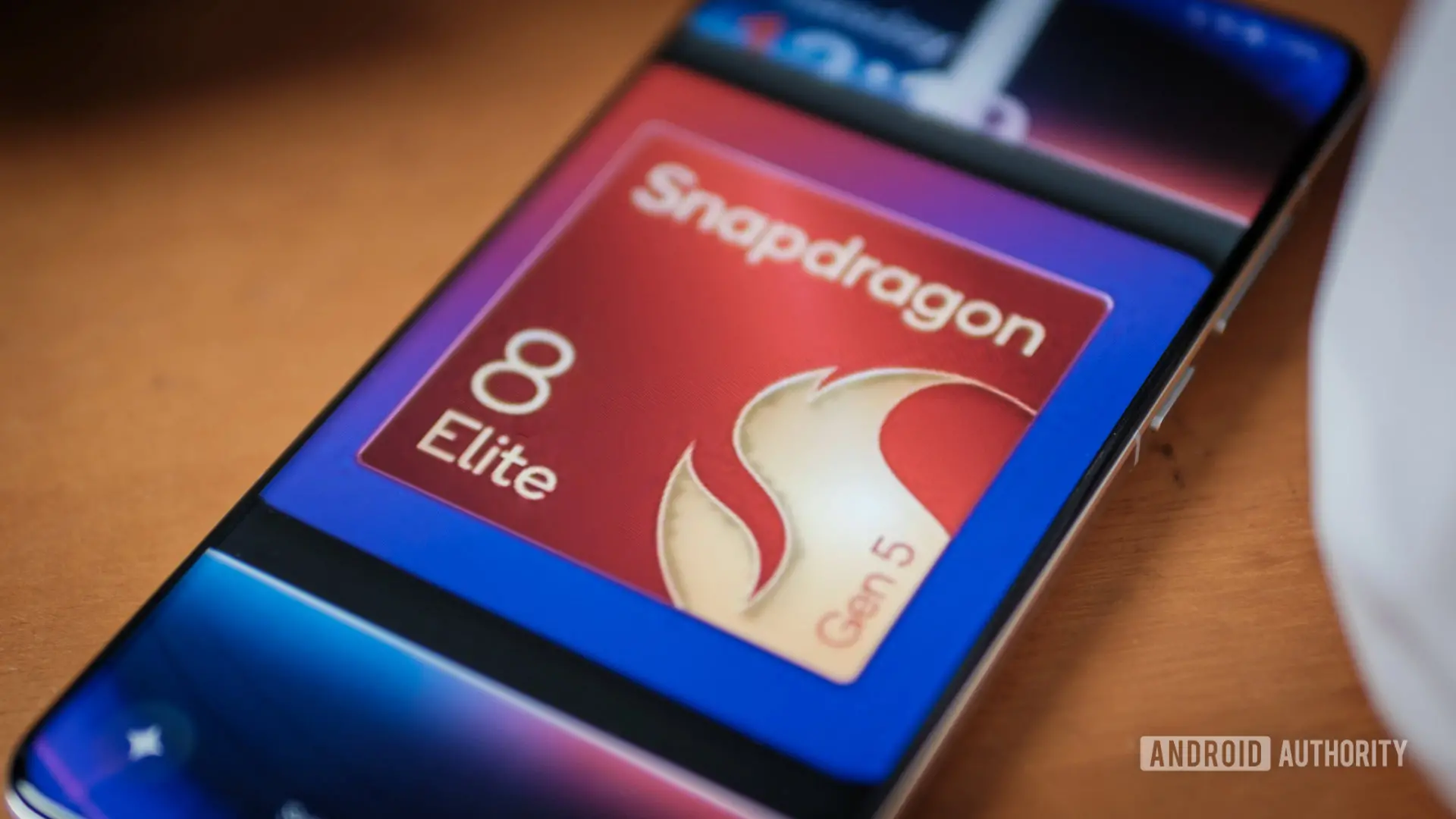
Another reason this leak carries weight is the chipset. The Xiaomi 18 Pro is expected to be one of the first phones to use Qualcomm's Snapdragon 8 Elite Gen 6 Pro. Xiaomi has consistently been the first smartphone maker to adopt Qualcomm's latest flagship mobile platform over the past two years. The trend began with the Xiaomi 14 series, which launched with the Snapdragon 8 Gen 3, and continued with the Xiaomi 15 and 17 series. If this pattern holds, the Xiaomi 18 Pro will debut Qualcomm's next-generation chipset, offering a significant performance leap over the Snapdragon 8 Elite Gen 5 found in current flagships.
The Snapdragon 8 Elite Gen 6 Pro is expected to bring major improvements in CPU and GPU performance, AI processing, and connectivity. Qualcomm has been investing heavily in on-device AI, and the new chip is rumored to include a dedicated AI engine capable of running large language models locally. For Xiaomi, which has been integrating AI features into MIUI and its camera software, this could enable new capabilities such as real-time translation, advanced photo editing, and contextual assistants. However, the premium chipset also adds to the overall cost of the device, contributing to the price hike.
Early adoption of new silicon comes with advantages and risks. Xiaomi gets marketing buzz and performance bragging rights, but it also bears the cost of being first in line for Qualcomm's latest—and most expensive—chips. In previous years, the company managed to offset these costs through economies of scale and competitive pricing. But with memory and other components also rising, the cumulative effect is now being passed to buyers.
What Else Could Change Beyond Price?
A price hike of this magnitude might be justified if the Xiaomi 18 Pro delivers meaningful upgrades across the board. Historical flagship cycles typically bring faster processors, improved cameras, larger batteries, faster charging, and new display technologies. The Xiaomi 18 Pro is expected to follow this playbook. Rumors point to a quad-camera system with a periscope telephoto lens capable of 5x optical zoom, a high-resolution main sensor using a larger image sensor, and advancements in low-light photography. The display may feature an even higher peak brightness, LTPO technology for variable refresh rates, and possibly an under-display camera for a truly notchless design.
Battery technology is also evolving. Silicon-carbon batteries are becoming more common, allowing for higher energy density without increasing physical size. Xiaomi could adopt such technology to offer a 5,000mAh or larger battery while keeping the phone relatively thin. Wireless charging speeds may also see another bump, possibly reaching 100W or more. Fast wired charging, already a Xiaomi specialty, could exceed 200W, though regulatory limits vary by region.
On the software side, MIUI (or its successor, HyperOS) will likely introduce new AI-driven features. Xiaomi has been integrating AI into its camera algorithms, voice assistant, and system optimizations. The Snapdragon 8 Elite Gen 6 Pro's neural processing unit will enable more sophisticated on-device AI, reducing reliance on cloud processing and improving privacy. Features like real-time object removal in photos, intelligent battery management, and contextual app predictions could become standard.
Market Implications and Consumer Sentiment
The leak has sparked debate among smartphone enthusiasts. Some argue that a 6,000 yuan starting price signals that Xiaomi is moving away from its value-for-money roots and toward a premium brand image. Others point out that inflation and component costs make such increases inevitable. The reality is likely a mix of both. Xiaomi has been gradually pushing into the high-end market, competing directly with Apple and Samsung in China and globally. A higher price point could help establish the brand as a premium player, but it also risks alienating price-sensitive customers who have long relied on Xiaomi for flagship specs at mid-range prices.
If the Xiaomi 18 Pro launches at around 6,000 yuan, it will face stiff competition. Samsung's Galaxy S series, Oppo's Find X series, and Vivo's X series are all vying for the same price bracket. Apple's iPhone Pro models start at a similar level but have strong brand loyalty. Xiaomi will need to differentiate through features, camera performance, and ecosystem integration. Being first with the Snapdragon 8 Elite Gen 6 Pro could give it a temporary advantage, but rivals will quickly follow.
It's worth noting that this is still an early leak. Pricing decisions can change months before a phone's official launch. Component costs may fluctuate, and Xiaomi could decide to absorb some of the increases to maintain a competitive price. Additionally, regional pricing often differs. Global markets, especially Europe and India, may see different price points due to taxes, import duties, and local competition. The figure of 6,000 yuan is specific to China, and overseas models could be priced either higher or lower relative to local currency exchange rates.
Historical Context: Xiaomi's Pricing Strategy
Xiaomi has historically been known for offering flagship-tier hardware at lower prices than its competitors. The company's business model relied on thin margins and high volume, often selling phones close to cost and making money from services and accessories. This approach allowed Xiaomi to grow rapidly in China and expand to markets like India, where it became the top smartphone brand. However, as the smartphone market matures and growth slows, the company has shifted focus to higher-end devices with better profit margins.
The Xiaomi 18 Pro, if priced at 6,000 yuan, would be the company's most expensive mainstream flagship to date. It surpasses even the special edition models like the Xiaomi 12S Ultra, which launched at 5,999 yuan. The Ultra series, known for camera prowess, already occupied the premium segment. Now the standard Pro series appears to be catching up in price, which could blur the lines between the two product lines. Xiaomi may need to create clearer differentiation—perhaps by reserving exclusive camera technologies for the Ultra series—to justify multiple high-end models.
Another factor is the global economy. Inflation, supply chain disruptions, and currency fluctuations have pressured all smartphone makers. Xiaomi, which relies heavily on component imports, is vulnerable to these forces. The company has been trying to localize production in some markets, but the majority of its phones are still built in China. Rising labor costs and energy prices further add to manufacturing expenses.
The memory cost issue is not expected to be temporary. Analysts predict that DRAM and NAND prices will remain elevated through 2027 as AI demand continues to grow. Smartphone makers will increasingly face the choice of either increasing prices or reducing memory configurations to keep entry-level prices stable. Lower base RAM/storage could become common, with higher tiers costing more. For example, a Xiaomi 18 Pro might start at 12GB/256GB for 6,000 yuan, while the 16GB/512GB version could cost significantly more.
If the leak holds true, consumers may need to adjust their expectations. A 20% price increase is not trivial, but it might be accompanied by genuinely meaningful hardware and software upgrades. The Snapdragon 8 Elite Gen 6 Pro alone represents a generational leap, and improvements in cameras, batteries, and displays could make the Xiaomi 18 Pro a compelling package—if not a cheap one. For those willing to wait, last year's flagship will likely see price drops, offering a more affordable alternative with still impressive performance.
Ultimately, this leak is a reminder that the smartphone industry is entering a new phase. The era of ever-falling flagship prices may be over. Instead, we may see a gradual upward trend as manufacturers prioritize high-end features and absorb rising costs. Xiaomi's decision will be watched closely by competitors and consumers alike. If successful, it could prompt others to follow suit; if it fails, it may reinforce the value segment's importance. Either way, the Xiaomi 18 Pro is shaping up to be one of the most significant devices of 2026.
Source:Android Authority News