

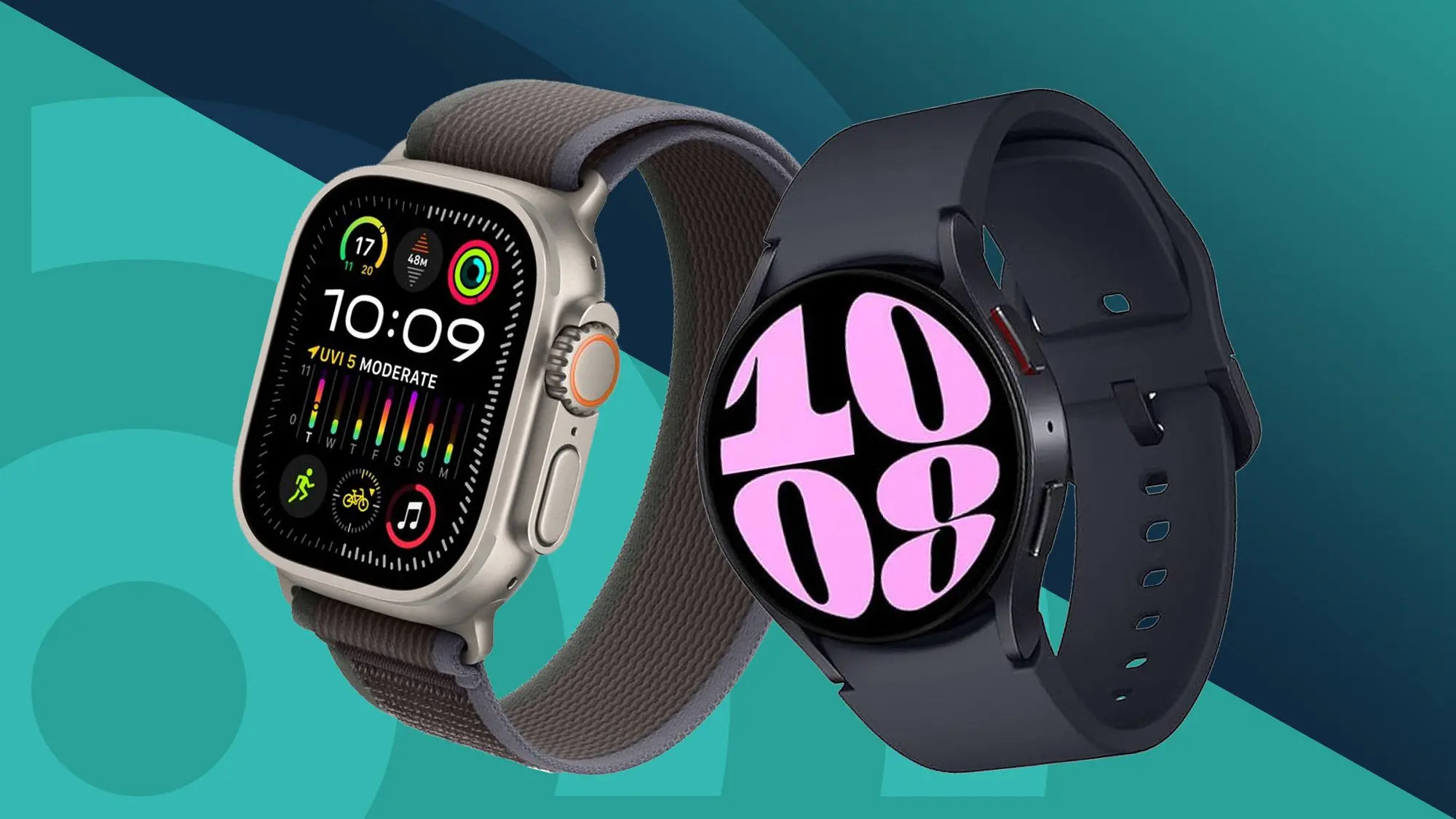
The smartwatch industry has evolved dramatically over the past decade, and 2026 marks a year where wearable technology has reached a level of maturity that rivals traditional wristwatches in both functionality and style. From advanced health monitoring to seamless integration with digital ecosystems, the latest smartwatches are more capable than ever. Whether you're a fitness enthusiast, a busy professional, or someone looking to stay connected without constantly checking your phone, there's a smartwatch tailored to your needs. In this comprehensive guide, we explore the top-tier models that define the current landscape.
The Rise of Health-First Wearables
In 2026, health and wellness features are no longer add-ons but core pillars of smartwatch design. Manufacturers have integrated FDA-cleared sensors for blood pressure monitoring, ECG, and even non-invasive glucose tracking. The Apple Watch Series 10, for instance, introduces a revolutionary optical sensor that measures hydration levels and lactate thresholds during workouts. Meanwhile, Samsung's Galaxy Watch 7 Pro boasts a bioimpedance sensor that provides body composition analysis, including muscle mass and body fat percentage, directly on the wrist.
These health capabilities are complemented by software advances. AI-driven coaching algorithms analyze your daily activity, sleep patterns, and stress levels to offer personalized recommendations. The Google Pixel Watch 3, running Wear OS 5, uses machine learning to predict potential health risks by cross-referencing your data with anonymized population studies. Such features have transformed smartwatches from simple step counters into proactive health companions.
Battery Life: The New Frontier
One of the most significant improvements in 2026 is battery life. Early smartwatches often required daily charging, but new battery technologies have pushed that boundary. Garmin's Fenix 8 Solar, for example, can last up to 24 days in smartwatch mode, thanks to its Power Glass solar charging lens and an optimized power management system. Even more traditional smartwatches like the Apple Watch Series 10 offer up to 48 hours of typical use, with a fast-charge feature that brings it to 80% in just 45 minutes.
For those who prioritize longevity, the Amazfit T-Rex 3 Ultra boasts a staggering 40-day battery life in standard mode, making it ideal for extended backpacking trips or field work. This shift addresses one of the biggest pain points in previous generations and allows users to rely on their smartwatch for continuous monitoring without constant recharging anxiety.
Top Contenders for 2026
Apple Watch Series 10 – The All-Rounder
The Apple Watch Series 10 remains the benchmark for smartphone integration, particularly for iPhone users. Its always-on Retina display is now 30% brighter than its predecessor, and the new S10 chip delivers 20% faster performance for apps like maps and workout tracking. Health additions include a sleep apnea detection algorithm approved by the FDA, and a new temperature sensor that tracks ovulation cycles with gynecologist-grade accuracy. The watchOS 11 update introduces a "Vitals" app that consolidates all health metrics into a single, easy-to-read dashboard.
Pricing starts at $449 for the aluminum model, with cellular connectivity available for an additional $100. While the battery life has improved, it still expects daily charging for heavy users.
Samsung Galaxy Watch 7 Pro – The Android Powerhouse
Samsung's Galaxy Watch 7 Pro runs the latest One UI Watch 6, built on Wear OS 5. It features a rotating bezel for intuitive navigation and a sapphire crystal display that is incredibly scratch-resistant. The major upgrade here is the Samsung BioActive Sensor 3.0, which adds advanced vascular health monitoring, including pulse wave velocity tests to assess arterial stiffness. For fitness enthusiasts, the watch automatically detects 90 different exercise types and provides real-time form corrections using its built-in motion analyzer.
The Galaxy Watch 7 Pro offers up to 80 hours of battery life with typical use, and the fast-charging feature gets you a full day's power in just 30 minutes. It starts at $499 and is compatible with Android 10 and above, making it the smartwatch of choice for Samsung phone owners.
Garmin Fenix 8 Solar – The Outdoor Legend
For serious adventurers, the Garmin Fenix 8 Solar is unmatched. It includes a multiband GPS that locks onto signals even in deep canyons or dense forests, and topographical maps with preloaded trails for hiking, mountain biking, and skiing. The solar charging capability adds up to 7 extra days of battery life per week when exposed to daylight. New in 2026 is the "Expedition Mode" which extends battery life to over 100 days by turning off non-essential functions while still tracking your route every hour.
Health features include an endurance score that predicts how your body will perform on long treks, and a heat acclimation indicator that helps you adjust training in hot climates. The Fenix 8 Solar starts at $899 and is available in multiple sizes and strap options, including titanium and nylon.
Google Pixel Watch 3 – The AI Companion
Google's third-generation Pixel Watch may have a smaller market share, but it punches above its weight with deep integration of Google services. The Fitbit integration now includes a Daily Readiness Score that combines your sleep, heart rate variability, and activity levels to tell you whether you should rest or train harder. The watch also supports offline Google Maps navigation and Google Wallet for contactless payments even without a phone nearby.
A standout feature is the "Safety Check" – if you haven't moved for an hour during a workout or after a fall, the watch sends an alert to your emergency contacts. Battery life has improved to 36 hours, and the watch is water-resistant to 50 meters. The starting price is $349, making it a more affordable option without sacrificing core smart features.
Fitness-Focused Alternatives
Not everyone wants a full smartwatch experience. For pure fitness tracking, brands like Whoop and Oura have released their fourth-generation bands. The Whoop 4.0 Band now comes with a built-in skin temperature sensor that can detect early signs of illness, while the Oura Ring 4 offers discreet sleep tracking with a new nap detection algorithm that categorizes REM and deep sleep cycles.
For runners, the Coros Pace 4 remains a lightweight favorite, with a new dual-frequency GPS that improves accuracy in urban areas. It weighs only 36 grams and offers 30 days of battery life in watch mode. The Pace 4 also introduces a marathon prediction tool that uses your training history to estimate finish times for distances up to 50 miles.
Design and Customization
The aesthetic of smartwatches in 2026 has diversified. Brands now offer classic round dials, sleek rectangular screens, and even hybrid designs that conceal digital displays under analog hands. The Fossil Gen 7 Wellness Edition, for instance, combines a traditional leather strap and mechanical crown with a vibrant AMOLED display that only appears when you interact with it. Similarly, the Montblanc Summit 4 targets luxury buyers with a grade-5 titanium case and a selection of hand-stitched Italian leather bands.
Customization extends beyond watch faces. Many operating systems now allow independent app development, so you can download specialized watchfaces that match your mood or outfit. The Apple Watch Series 10, for example, supports over 100,000 third-party watch faces, and Samsung's Galaxy Store offers more than 50,000 options.
Integration with Smart Home and Automotive Ecosystems
Smartwatches are increasingly becoming the control center for your connected life. In 2026, most premium models support Matter, the universal smart home standard, allowing you to adjust lighting, thermostats, or locks directly from your wrist. The Google Pixel Watch 3 can even pair with your Google Nest Hub to show security camera feeds in a PiP window.
Automotive integration has also advanced. Apple's CarKey feature now works with more car brands, and Samsung's Digital Key allows you to unlock, start, and share access to your vehicle via the Galaxy Watch. These integrations blur the line between wearable and essential everyday tool, making the smartwatch an indispensable part of the digital lifestyle.
Source:TechRadar News