

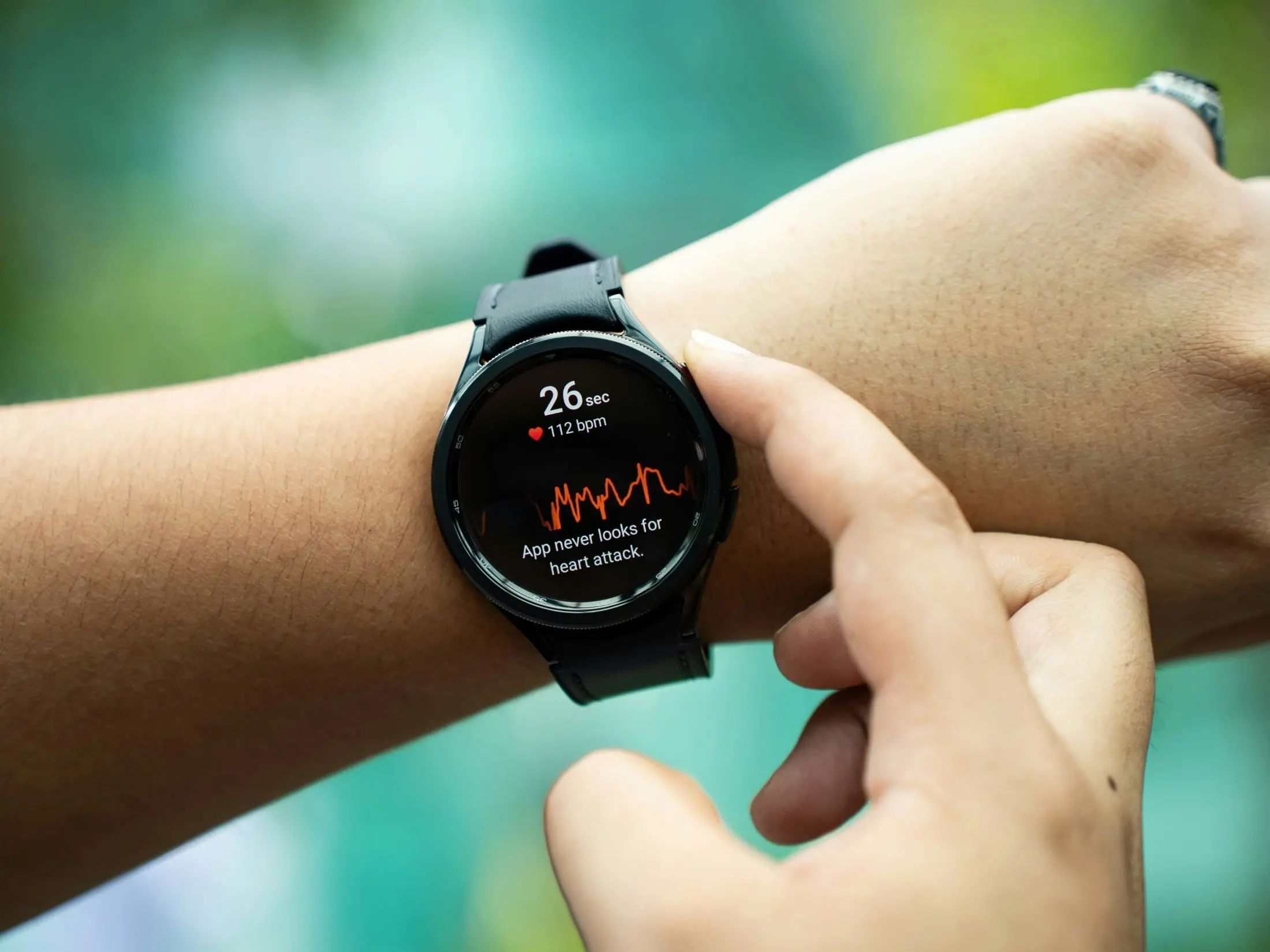
Samsung Health has taken a significant leap forward with the introduction of advanced artificial intelligence models designed to analyze biosignal data from wearable devices. These models represent a convergence of hardware, software, and machine learning, enabling a new era of personalized health monitoring. By examining the vast streams of physiological data collected by devices like the Galaxy Watch, Samsung aims to provide users with actionable insights, detect subtle anomalies, and promote proactive health management. The move underscores a broader industry trend toward using AI to unlock the full potential of wearable biosignal data.
The Evolution of Samsung Health
Samsung Health began as a simple fitness tracking app, primarily logging steps, sleep, and basic exercise. Over the years, it has evolved into a comprehensive health platform capable of measuring heart rate, blood oxygen saturation, electrocardiogram signals, body composition, and more. The hardware has similarly advanced, with sensors becoming smaller, more accurate, and more power-efficient. The introduction of AI into this ecosystem is a natural progression, allowing the massive amounts of raw biosignal data to be transformed into meaningful, context-aware health insights.
Traditional health monitoring relied on single-point measurements taken in clinical settings. Wearable devices changed this by enabling continuous, non-invasive data collection in real-world environments. However, continuous data creates new challenges: how to interpret the sheer volume of information, separate signal from noise, and identify patterns that may indicate a developing health issue. This is where AI models excel. Machine learning algorithms can process terabytes of time-series data, identify correlations, and learn representations of normal versus abnormal physiological states.
Understanding Biosignal Data
Biosignal data refers to physiological electrical or optical signals measured from the human body. Common examples include photoplethysmography (PPG) used for heart rate and blood oxygen, electrocardiography (ECG) for heart rhythm, skin temperature, and galvanic skin response. Each of these signals provides a window into the body's current state. Wearables like Samsung's Galaxy Watch capture these signals through optical sensors and electrodes, often sampling at frequencies ranging from a few hertz to hundreds of hertz.
The richness of biosignal data lies in its temporal dynamics. A resting heart rate of 70 beats per minute might be normal for one individual but anomalous for another. Variability in heart rate, the shape of the ECG waveform, and the interaction between different signals can reveal much more than a single metric. AI models are particularly adept at handling such multivariate, longitudinal data. They can learn user-specific baselines and detect deviations that might signal stress, fatigue, or the onset of a medical condition.
AI Models and Their Applications
Samsung's AI models are designed to analyze these biosignals in a variety of ways. One prominent application is heart rhythm analysis. The Galaxy Watch can already record an ECG, and with AI, it can detect signs of atrial fibrillation, a common but often undiagnosed heart arrhythmia. The AI models identify irregular patterns in the ECG data and alert the user to seek medical attention if necessary. This goes beyond simple rule-based algorithms; the models are trained on large datasets of labeled heart rhythm recordings, enabling them to generalize across diverse populations.
Another key area is sleep analysis. By combining accelerometer data, heart rate variability, and blood oxygen levels, AI models can stage sleep (light, deep, REM) with high accuracy. More importantly, they can detect signs of sleep apnea, a condition characterized by repeated pauses in breathing during sleep. Early detection of sleep apnea is critical, as it is linked to cardiovascular disease, diabetes, and daytime fatigue. The AI models can generate a hypopnea index and recommend clinical follow-up if needed.
Blood pressure monitoring on wearables has been another frontier. While traditional blood pressure cuffs remain the gold standard, Samsung has explored using pulse transit time and other biosignal-based methods to estimate blood pressure. AI models calibrate these estimates against a cuff reading, then track changes over time. This allows for more frequent blood pressure monitoring without the inconvenience of a cuff, potentially aiding in the management of hypertension.
How the AI Models Work
The technical architecture of these AI models typically involves deep neural networks. Convolutional neural networks (CNNs) are used to extract features from raw signal segments, while recurrent neural networks (RNNs) or transformers model the temporal dependencies across longer time periods. The models are trained using a combination of supervised and self-supervised learning. For example, the training data may include ECGs from patients with known arrhythmias, allowing the model to learn the morphological features of the disease.
Once trained and optimized for low-power embedded devices, the models are deployed directly on the wearable or on a paired smartphone via the Samsung Health app. On-device inference offers several advantages: it ensures user privacy by keeping raw biosignal data on the device, it minimizes latency for real-time alerts, and it reduces the need for constant cloud connectivity. Some models may use a hybrid approach, where initial processing occurs on-device and more complex analyses are conducted in the cloud during periods of Wi-Fi connectivity.
Challenges such as motion artifacts, sensor noise, and individual anatomical differences must be addressed. To this end, Samsung employs signal preprocessing techniques to filter out noise and data augmentation to make the models more robust. Additionally, the models are continuously updated through over-the-air updates, incorporating new training data and improvements in algorithm performance.
Research and Development Efforts
Samsung's efforts are backed by a significant research and development infrastructure. The company's R&D centers focus on both foundational AI research and applied health sciences. Partnerships with academic medical centers and research institutions have been crucial for collecting annotated datasets and performing clinical validation. Studies are often published in peer-reviewed journals, detailing the accuracy of the AI algorithms against established medical devices. This commitment to evidence-based development is essential, especially as health-related algorithms are subject to regulatory scrutiny.
Privacy and Security
Given the sensitive nature of health data, privacy and security are paramount. Samsung has implemented robust encryption both in transit and at rest, and provides users with granular control over their data. Users can choose which data types are collected, how they are processed, and whether they are shared with Samsung or third-party partners. The company states that data is anonymized when used for research and that users are informed about the purpose of data collection. AI models trained on-device help minimize data exposure, aligning with principles of privacy-preserving machine learning.
However, the proliferation of health-related AI also raises concerns about data misuse, bias, and interpretability. Samsung acknowledges these issues and has taken steps to ensure that its algorithms are fair across different ages, genders, ethnicities, and body types. Transparent reporting of model limitations and accuracy helps set appropriate expectations for users.
Regulatory Landscape
For AI models that claim to detect or diagnose medical conditions, regulatory approval is often required. Samsung has obtained regulatory clearances in various regions for its ECG and blood pressure monitoring features. The AI-driven functionalities are typically classified as medical device software, and regulators require evidence of safety and effectiveness. This involves clinical trials, algorithm validation, and quality management systems. As the technology evolves, regulatory bodies are developing new frameworks to address the unique challenges of continuous-learning AI systems.
Impact on Consumers and Healthcare
The integration of AI into Samsung Health has the potential to shift healthcare from a reactive model to a proactive, preventive paradigm. Users can receive early warnings about emerging issues before they become critical, prompting timely medical consultations. For chronic conditions like hypertension and sleep apnea, continuous monitoring can aid in management and improve quality of life. Moreover, the data generated can offer physicians a more comprehensive view of a patient's health outside the clinical setting, enabling more informed treatment decisions.
Beyond individual benefits, aggregated and anonymized biosignal data could contribute to population health research. Large-scale databases of wearable data can be used to study epidemiological trends, the effectiveness of lifestyle interventions, and the real-world impact of environmental factors on health. This, of course, requires stringent privacy protections and transparent consent mechanisms.
Future Directions
Looking ahead, Samsung Health is likely to expand its AI capabilities to cover new biomarkers and conditions. Research is underway into using biosignal data for detecting mental health conditions such as depression and anxiety, though this remains a complex and ethically nuanced area. Another promising direction is the integration of AI with other sensors like glucose monitors or medical-grade diagnostic devices, allowing for even more comprehensive health tracking. The fusion of multiple data sources—including activity, sleep, heart health, and metabolic markers—promises to provide a holistic view of a user's well-being.
As large language models and generative AI continue to advance, we may see conversational interfaces that explain biosignal data in plain language, answer user questions, and offer personalized guidance. These systems could act as virtual health coaches, helping users understand their bodies and encouraging small changes that lead to long-term improvements. The future of Samsung Health lies in creating a seamless, intelligent health companion that is deeply integrated into daily life.
The development of these AI models is not without obstacles. Ensuring accuracy across diverse populations, preventing alarm fatigue, and integrating with existing healthcare workflows remain ongoing challenges. Additionally, as models become more sophisticated, greater focus must be placed on explainability so that users and healthcare providers can trust the insights they provide.
Ultimately, Samsung's endeavor to analyze wearable biosignal data with AI marks a milestone in consumer health technology. It empowers individuals to take charge of their health with tools that were once confined to clinical settings. The combination of advanced sensors, robust software, and powerful AI has the potential to not only improve personal wellness but also to reshape the broader healthcare ecosystem, making prevention and early intervention more attainable than ever before.
Source:AI News News