

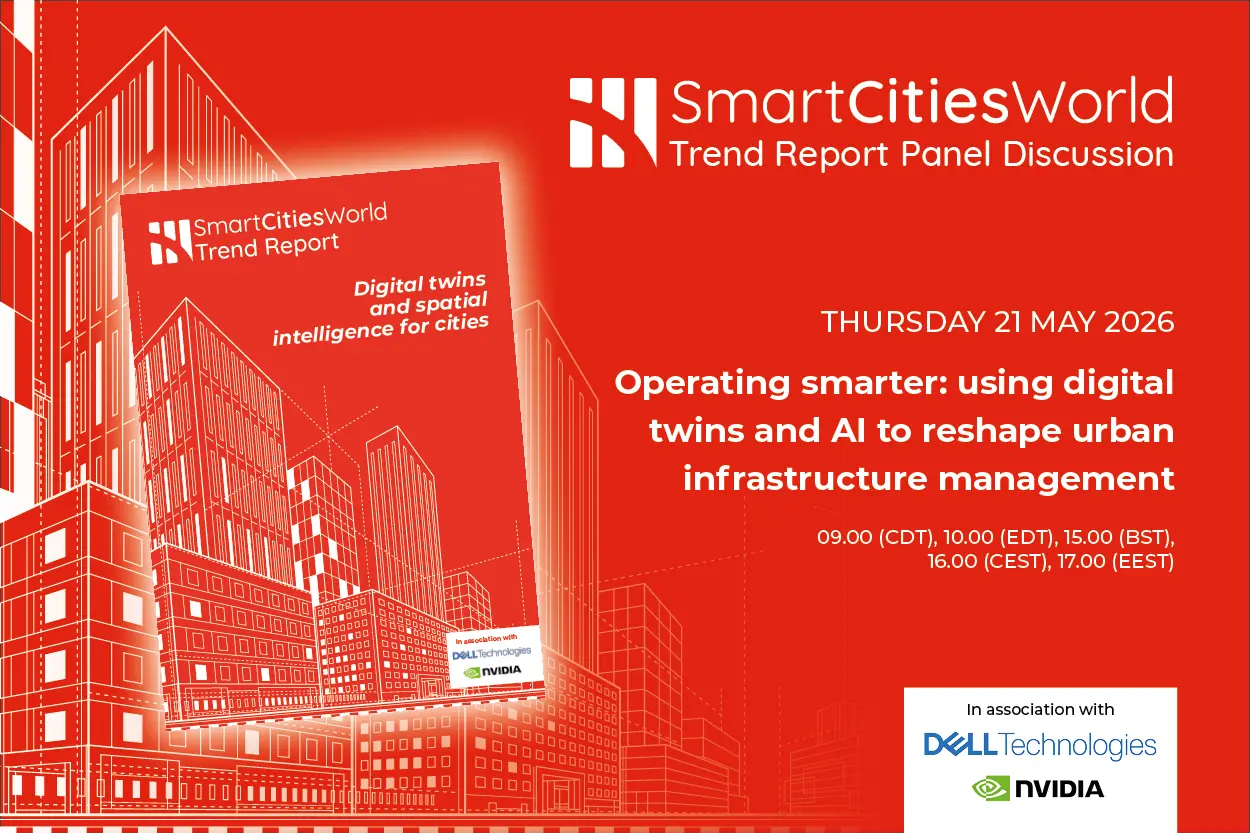
Urban infrastructure management is undergoing a profound transformation as cities worldwide embrace digital twins and artificial intelligence to operate more intelligently and sustainably. This shift was the central focus of a panel discussion at the SmartCitiesWorld Summit 2026, where experts convened to explore how local authorities can harness these technologies to reshape energy systems, transportation networks, and public services.
The conversation opened with an examination of how energy systems can be shaped by local authorities through renewables, flexibility, storage, and smarter networks. Cities are increasingly recognizing that energy infrastructure is not just a utility but a strategic asset. By integrating renewable sources, such as solar and wind, with advanced storage solutions and flexible demand management, urban areas can reduce carbon footprints while enhancing grid resilience. Digital twins—virtual replicas of physical assets—enable operators to simulate energy flows, predict demand, and optimize distribution in real time. This digital layer turns static infrastructure into a dynamic, responsive system that adapts to changing conditions.
A key theme of the panel was the reliable mainstreaming of AI into local government operations. For too long, AI has been confined to pilot projects or niche applications. The discussion highlighted that moving AI from experimental to operational requires robust data governance, workforce training, and ethical frameworks. Cities like Sunderland and Dublin have emerged as testbeds for this integration. Sunderland is repositioning itself as a leading smart city by leveraging digital infrastructure and low-carbon innovation to build a resilient, future-focused economy. Its approach includes deploying digital twins for urban planning, monitoring energy consumption, and engaging citizens in co-creation processes. Dublin, meanwhile, has focused on digital twin projects to improve traffic reduction, foster economic growth, and enhance community experiences.
Strategic procurement emerged as one of the most underused tools for building resilience, local capacity, and long-term climate impact. Sam Markey, founder of Recurve, argued that cities often overlook the power of procurement to drive sustainability goals. By designing contracts that prioritize circular economy principles, carbon reduction, and social value, municipalities can transform how they buy everything from streetlights to software. Procurement is not just a back-office function; it is a strategic lever for innovation. When cities specify digital twin capabilities in their tenders, they signal a market demand that encourages vendors to develop more integrated, AI-ready solutions.
The panel also delved into the critical role of smart lighting networks. In a dedicated series titled "Cities Thriving on Lighting," experts discussed how global cities are approaching smart lighting and the related cybersecurity risks. Smart lighting is often the first step into IoT for many municipalities, offering immediate energy savings and improved public safety. However, as these networks become connected and interoperable, they also become potential attack surfaces. The discussion emphasized the need for secure-by-design infrastructure, where cybersecurity is embedded from the outset. Turning existing streetlight networks into secure, interoperable, and future-proof infrastructure requires careful planning—including encryption, regular updates, and collaboration with security specialists.
Transportation is another domain where AI is poised to unlock significant value. Katherine Flesh of Microsoft noted that as transport agencies turn to AI to improve services, the greatest opportunities depend on strong data foundations, workforce readiness, and responsible governance. AI can optimize traffic signals, predict maintenance needs, and personalize traveler information. But without high-quality data and staff trained to interpret AI outputs, these systems risk underperforming or introducing biases. Flesh stressed that responsible AI governance—transparency, accountability, and fairness—must accompany technical deployment.
Beyond specific technologies, the summit underscored the importance of systems thinking. The future of cities will be defined by the ability to connect people, data, infrastructure, and investment into coherent, place-based strategies. Climate finance, for instance, cannot be separated from resilient infrastructure planning. AI-enabled public services must be designed with citizen needs at the center. The panelists agreed that siloed approaches lead to missed opportunities; only by connecting the dots can cities achieve the scale of transformation required.
The SmartCitiesWorld Summit also featured contributions from Ecomondo, which discussed priorities shaping healthier, more sustainable cities. Ecomondo explained why platforms like the SmartCitiesWorld Summit provide valuable opportunities for sharing practical solutions and building new connections among city leaders, technology providers, and researchers. These collaborations are essential for accelerating the adoption of digital twins and AI across diverse urban contexts.
Other sessions at the summit included a panel on unlocking value from buildings, data, and AI, as well as a webinar on how AI and data are transforming transport operations and services. These discussions reinforced the message that data is the new currency of urban management. Buildings equipped with sensors generate streams of data that, when fed into digital twins, can inform energy retrofits, space utilization, and predictive maintenance. AI algorithms then analyze this data to suggest optimal actions, reducing costs and emissions.
To stay updated on these developments, the SmartCitiesWorld newsletters—available daily or weekly—curate the latest news items, city interviews, special reports, and guest opinions. As cities continue their journey toward smarter operations, the insights from the Summit 2026 provide a practical roadmap for leveraging digital twins and AI to reshape urban infrastructure management for the long term.
Source:Smart Cities World News