

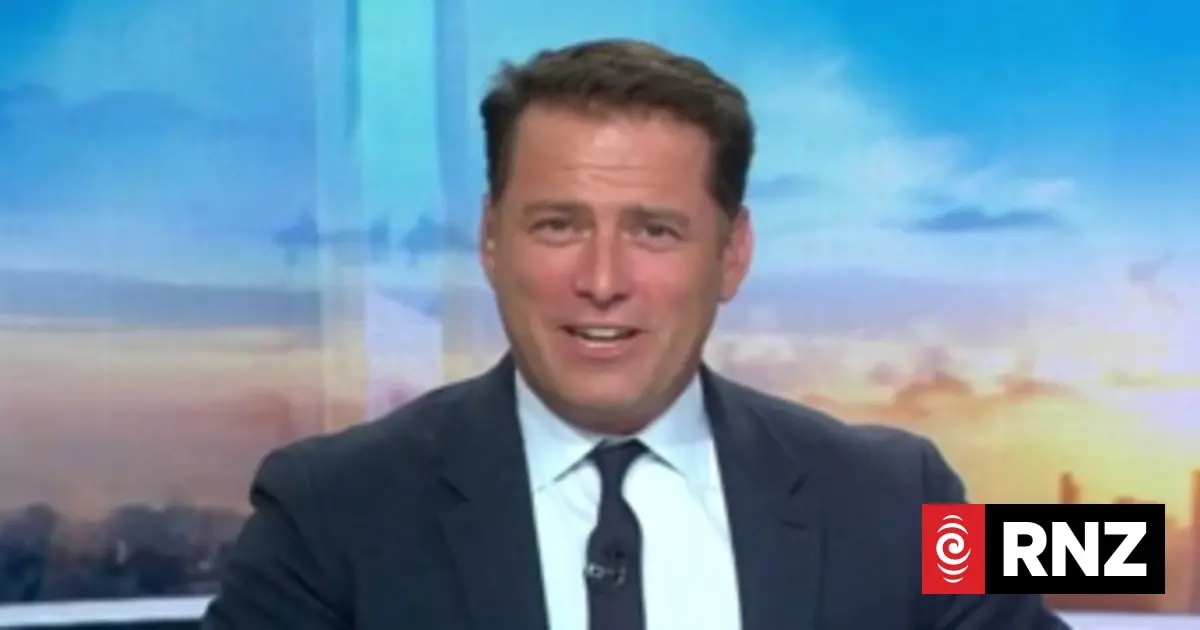
After more than a quarter of a century on Australian television, Karl Stefanovic's farewell to his free-to-air audience did not air on Channel Nine. Instead, it was a video posted to his podcast's YouTube channel. 'I'm free,' a stubbled Stefanovic said, marking the end of a storied career in mainstream media and the beginning of a new, independent chapter. His departure from Nine followed months of speculation, and now he is focusing entirely on his own video podcast, The Karl Stefanovic Show.
Stefanovic's decision to leave broadcast journalism raises a pressing question: why would a former king of Australian breakfast television trade studio lights for ring lights? For decades, hosting a commercial breakfast show has been one of the most coveted roles in Australian media, offering fame, fortune, and influence. Yet Stefanovic has turned his back on it, placing a bet that the future of entertainment and media lies online, not on free-to-air television.
Bringing television to YouTube
When Stefanovic launched his YouTube channel in late January, he brought with him the lessons of a lifetime in broadcast media. Television is a mass audience medium, where every minute of airtime must appeal to as many viewers as possible. This typically involves hiring big names, covering broad topics, and mixing formats to prevent channel-switching. Stefanovic's early content reflected this approach: interviews with MMA fighters, celebrity chefs, sports coaches, and radio personalities, covering politics, personal stories, travel, and more.
However, his online world quickly tilted more conservative and culture-war adjacent than his broadcast persona. He launched the podcast with an interview with Pauline Hanson and later featured controversial figures like Tommy Robinson. While early episodes included a variety of guests, the focus soon narrowed. By June, the majority of videos touched on immigration, with titles becoming more emotive and alarmist. One recent video described a parliamentary budget deal as a 'dirty little deal' that would 'kill the Australian dream'.
This shift did not happen overnight. Initially, Stefanovic's channel gained over 50,000 subscribers quickly, but many early videos garnered only a few thousand views. This suggested that his name recognition and media attention drew people in, but they were not staying to watch. Success on YouTube required more than simply replicating his television formula.
The MrBeast model
Stefanovic has referred to himself as 'Joe Bogan', a play on popular podcaster Joe Rogan. However, media analysts see his strategy more akin to the 'MrBeast model'—named after Jimmy Donaldson, the world's most popular YouTuber. MrBeast's success relies on a systematic, almost scientific approach to content creation: testing and iterating every element of a video to maximise engagement. The sheer scale of YouTube—with billions of monthly users and hundreds of millions of hours of content—means that most creators must find a narrow niche to attract algorithmic recommendations.
Dr Tim Graham from Queensland University of Technology explains that Stefanovic's narrowing focus suggests he is optimising for what performs best online. 'It's all about asking: what is getting the most engagement? That's what you optimise for,' Graham says. The extreme version of this approach is the MrBeast model, where content is agnostically driven by data rather than creator passion. In Stefanovic's case, his pivot to right-wing culture war topics may not reflect his personal views but rather a strategic move to capture a specific, engaged audience.
YouTube's recommendation algorithm relies on viewer behaviour and demographics. Someone who watches one political video is more likely to be shown similar content. By consistently producing videos about immigration, government failures, and culture wars, Stefanovic is essentially feeding the algorithm, building a loyal audience that triggers more recommendations. This creates a feedback loop that reinforces his content choices.
Background and career context
Karl Stefanovic began his television career in the early 1990s, working for regional stations before joining the Nine Network. He became a household name as co-host of the Today show, a position he held for over a decade. His tenure was marked by high ratings, controversies, and a very public divorce, but he remained one of Australia's most recognisable faces. His departure from Nine was seen as a major shake-up for Australian television.
In recent years, many traditional media figures have moved to online platforms, seeking greater editorial freedom and potentially lucrative direct-to-audience revenue. Stefanovic's pivot is part of a broader trend where former TV stars launch podcasts and YouTube channels to bypass network gatekeepers. However, unlike some of his peers, Stefanovic has chosen a sharply different editorial direction.
His podcast now features almost exclusively right-wing politicians and commentators, including One Nation senators and figures like Tommy Robinson. The interviews often lack the balanced approach expected of a former breakfast TV host, instead leaning into inflammatory rhetoric. Critics argue this is a cynical chase for clicks, while supporters see it as an authentic expression of his beliefs.
Regardless of motivation, Stefanovic's strategy is working. The Karl Stefanovic Show now has over 150,000 subscribers, and many of his recent videos have tens of thousands of views, outperforming his early efforts. The numbers are still modest by YouTube standards, but for an independent creator, they represent a viable business model.
The question remains: is Stefanovic chasing the far-right or the algorithm? The answer may be both. In the attention economy, controversy and outrage are powerful drivers of engagement. By tapping into the growing appetite for anti-establishment, culture war content, Stefanovic has found a niche that resonates with a segment of the audience. Whether he genuinely believes in the positions he promotes or is simply following the data, the result is the same: a steady stream of provocative content that keeps viewers watching and sharing.
This transition from mainstream journalist to YouTube provocateur is not unique. In the United States, figures like Glenn Beck and Ben Shapiro have built online empires by appealing to conservative audiences. In Australia, the trend is less pronounced but growing. Stefanovic's move may inspire other television personalities to follow suit, blurring the lines between journalism, entertainment, and activism.
The long-term implications for Australian media are significant. As more talent moves online, traditional broadcasters will struggle to retain audiences and advertising revenue. Meanwhile, independent creators can build direct relationships with their viewers, free from editorial oversight. This democratisation of media comes with risks, including the spread of misinformation and the fragmentation of public discourse.
Karl Stefanovic's journey from the Today show couch to a home studio with a ring light is a microcosm of these larger shifts. His content may be controversial, but his strategy is a clear-eyed response to the realities of the digital age. Whether he will sustain his growth or eventually moderate his tone remains to be seen. For now, he is riding the algorithm, one culture war video at a time.
The Karl Stefanovic Show publishes an average of 20 videos per month, a pace that would exhaust many creators. But Stefanovic, a veteran of gruelling early-morning television, seems unfazed. He has traded the pressures of ratings for the rewards of data-driven engagement, and he appears to be thriving. Only time will tell if this new model will prove as enduring as his television legacy.
Source:RNZ News