

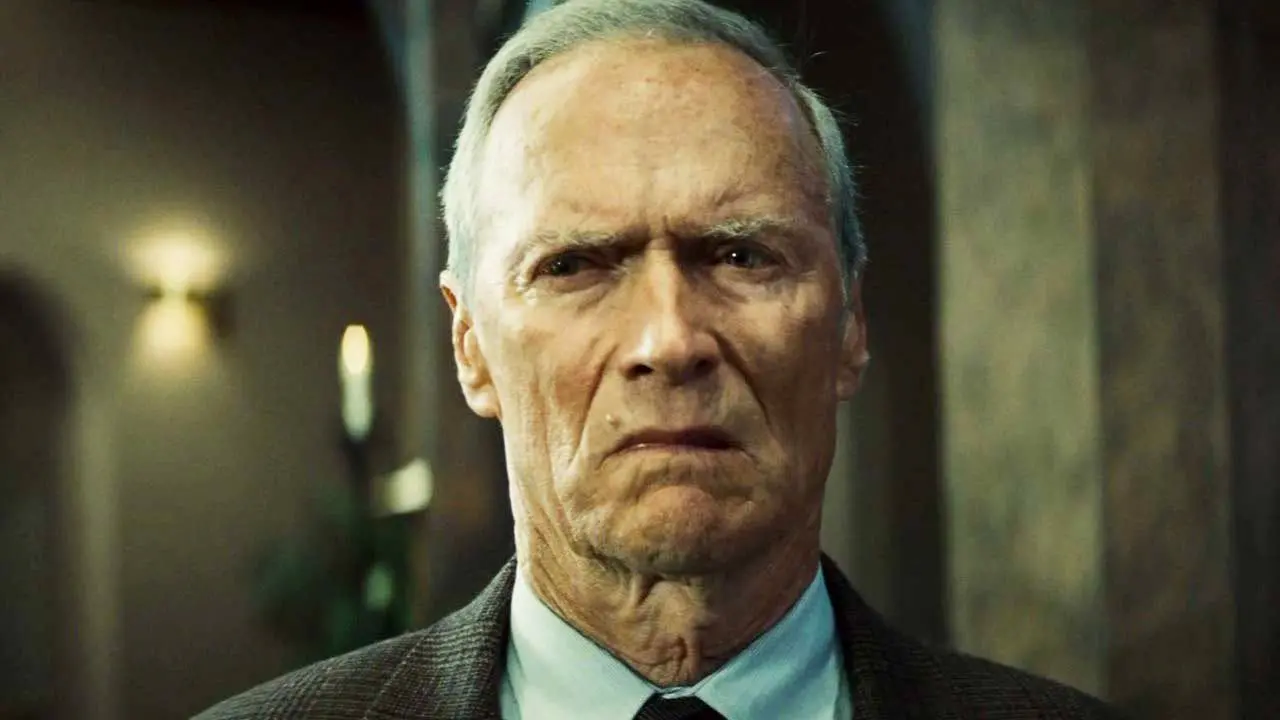
In 2016, Tom Hanks experienced a directing style unlike any in his four-decade career. Working with Clint Eastwood on the biographical drama Sully, Hanks discovered a filmmaker whose approach is defined by simplicity, stillness, and an almost telepathic command over a set. The actor later described the experience with vivid humor, comparing Eastwood's technique to training horses.
“He treats his actors like he treats horses,” Hanks joked during an appearance on Jimmy Kimmel Live. The comparison was not meant as a critique but as a vivid illustration of a directing method that eschews loud commands for subtle, almost invisible cues. On Eastwood's set, there are no booming “Action!” calls or dramatic hand gestures. Instead, Eastwood stands quietly beside his actors, lifts a finger to signal the start of a take, and murmurs a soft “Okay, go ahead.” The performance unfolds, and when Eastwood is satisfied, he simply says, “Alright, that’s enough.”
This minimalist approach, Hanks explained, stems from Eastwood's early days on the set of the 1960s television series Rawhide, where he starred as Rowdy Yates. In those Western productions, horses were integral to every scene. Loud calls of “Action!” would spook the animals, causing chaos during filming. Eastwood, then a young actor, proposed a solution: instead of shouting, the director should just say “go” or give a quiet signal. The idea worked, and Eastwood never abandoned it. Decades later, even as a four-time Oscar-winning director, he maintains that same silent efficiency.
The Story Behind 'Sully'
The film Sully recounts the true story of Chesley “Sully” Sullenberger, the US Airways pilot who successfully crash-landed his Airbus A320 on the Hudson River in January 2009 after a bird strike destroyed both engines. All 155 passengers and crew survived, an event famously called the “Miracle on the Hudson.” Eastwood’s film focuses not just on the landing but on the investigation that followed, questioning whether the pilot made the right decision or could have returned to a nearby airport. Hanks, receiving his sixth Oscar nomination for the role, delivers a restrained, poignant performance as a reluctant hero grappling with a procedure’s outcome.
For Hanks, working with Eastwood was a career highlight. The actor has been directed by some of cinema's greatest filmmakers: Steven Spielberg, Robert Zemeckis, Sam Mendes, and the Wachowskis. Yet Eastwood’s method stood out. “It’s like when you say, ‘Guess what, Mount Rushmore just came down from South Dakota and now you work for him,’” Hanks recalled. “You don’t want to look him in the eyes too long, because he has that look—[squints]—and you don’t want to experience that.”
Eastwood's Calm Authority on Set
The quietness of Eastwood's set extends beyond the lack of shouted commands. The director is known for rarely giving multiple takes, often moving on after one or two, trusting the actors to deliver. Hanks notes that this approach forces performers to be entirely prepared and present. There is no warm-up; the camera rolls, and the actor must inhabit the character instantly. This efficiency, born from years of directing over 30 films, creates a focused atmosphere where actors rise to meet the director's implicit expectations.
The comparison to training horses is apt: horses respond to gentle but consistent cues, not to loud directives. Eastwood treats his actors with similar respect, allowing them space to perform while maintaining an authoritative presence. Hanks said that you always want to please Eastwood, that his approval feels like a quiet victory. The respect between the two legends of Hollywood was mutual—Eastwood later praised Hanks as “a true professional” who made directing effortless.
Expanding the Context: Eastwood's Directing Philosophy
Clint Eastwood, now 94, has built a reputation as one of cinema's most efficient directors. He often shoots scenes quickly, rarely goes over schedule, and prefers to capture the first or second take, believing that spontaneity feels more authentic. This philosophy aligns with his own acting career: Eastwood, as both actor and director, values economy of expression. His films, from Unforgiven to Million Dollar Baby and American Sniper, often explore themes of quiet heroism and moral ambiguity, portrayed through subtle performances rather than grand theatrics.
The “horses” anecdote also sheds light on Eastwood's legendary refusal to shout “Action!” on any of his sets. This departure from Hollywood norm extends to his cues for ending a scene: he often simply says “Cut” softly, or even just gives a slight nod to the camera operator. This tradition, born from practicality, became a signature of his directing style. Other actors who have worked with Eastwood, like Bradley Cooper and Morgan Freeman, have also commented on his silent intensity, describing him as a director who communicates more through presence than words.
The Sully production itself mirrored its subject matter: efficient, calm, and avoiding unnecessary drama. Filming took place in New York City, with Hanks spending hours in a flight simulator to capture the precise movements of a pilot in crisis. Eastwood, true to form, allowed Hanks to inhabit the role without interruption, trusting his star to deliver a performance that would later earn an Oscar nomination for Best Actor. The movie, released in September 2016, received widespread acclaim for its understated storytelling and Hanks's nuanced portrayal.
In conclusion, Tom Hanks's anecdote about Clint Eastwood treating actors like horses reveals not only a quirky behind-the-scenes detail but also a deep truth about how one of Hollywood's greatest directors operates. By stripping away the loud, theatrical elements of directing, Eastwood creates an environment where actors feel both independent and profoundly watched. The result, as seen in Sully, is a film that feels as controlled and precise as the landing that inspired it.
Source:AlloCiné News