

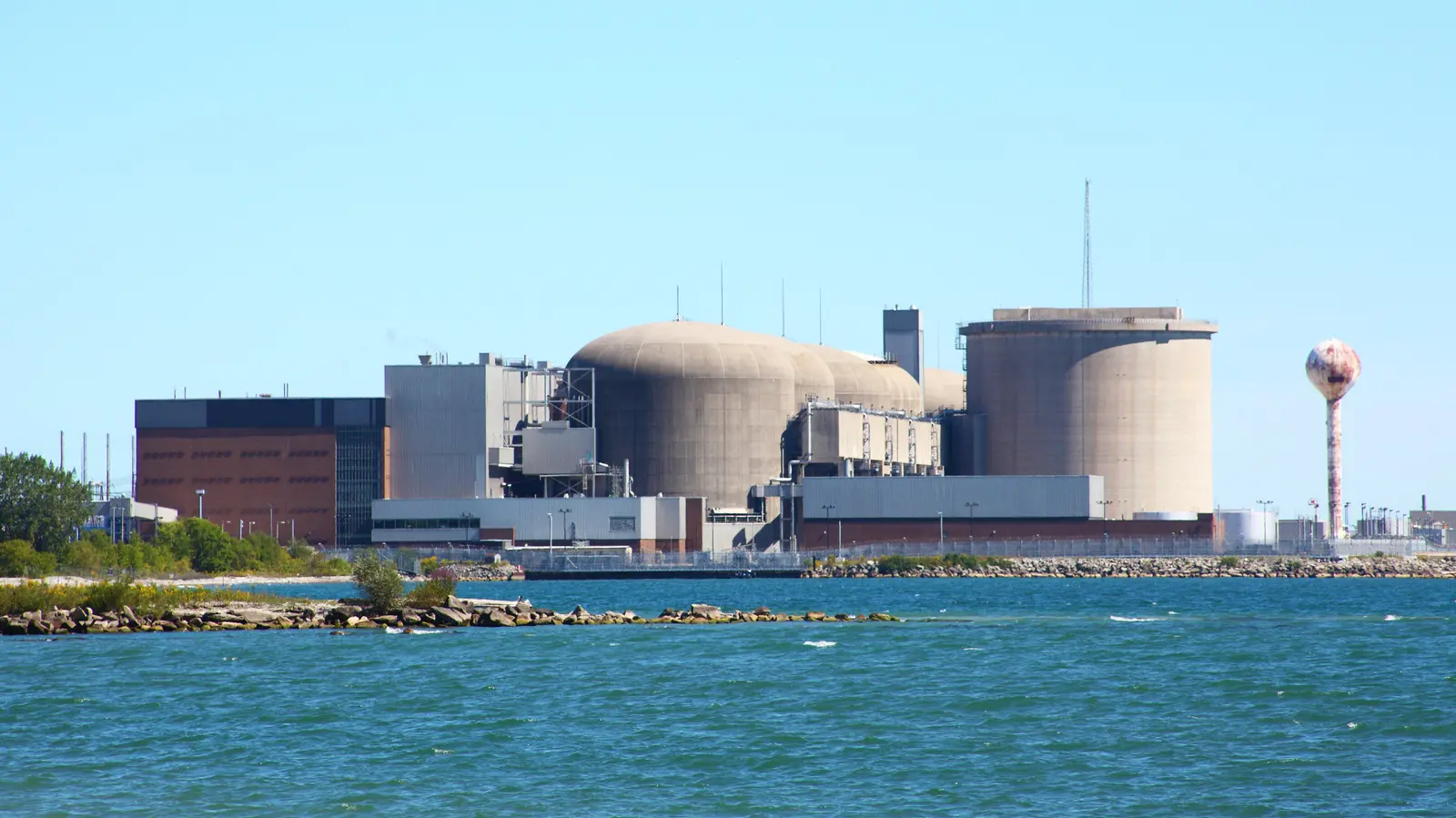
In 2017, Canada reached a milestone in nuclear power generation, producing 95.7 million megawatt-hours (MWh) of electricity from its nuclear plants, accounting for 14.7% of the country's total electricity output. However, since then, nuclear generation has steadily declined, with 2024 data showing a drop to 81.7 million MWh from four active plants. This decline, attributed to aging infrastructure, regulatory challenges, and competition from natural gas and renewables, has prompted the Canadian government to announce a sweeping new nuclear energy policy aimed at revitalizing the sector and addressing rising energy prices.
Background: Canada's Nuclear Energy Landscape
Canada has a long history with nuclear power, dating back to the 1960s with the development of the CANDU (CANada Deuterium Uranium) reactor, a pressurized heavy-water reactor design that uses natural uranium as fuel. The country operates four nuclear power plants: Bruce, Darlington, Pickering (in Ontario), and Point Lepreau (in New Brunswick). Together, they have a combined capacity of about 15.6 GW. However, many of these reactors are aging. Pickering is set to be decommissioned by 2025, while Bruce and Darlington have undergone refurbishments to extend their operating lives. Despite these efforts, overall nuclear generation has fallen due to planned outages and reduced capacity factors.
The New Nuclear Plan: Key Components
The newly announced policy outlines a multi-pronged strategy to reverse the decline and position Canada as a global nuclear powerhouse. First, the government plans to oversee the construction of two large-scale nuclear reactors, with a target completion date of 2035. These reactors, likely based on advanced CANDU or Generation III+ designs, will add significant baseload capacity to the grid. Additionally, the plan envisions five more power plants in the planning or development stages by 2040, ensuring a steady pipeline of new nuclear capacity.
Beyond large reactors, the policy also includes the development and deployment of a Canadian-made microreactor, similar to concepts being explored by the U.S. Army for remote military bases. This microreactor is intended to serve off-grid communities, particularly Indigenous and northern settlements, providing reliable, low-carbon electricity and potentially heat for industrial processes. Canada has over 300 remote communities that rely on diesel generators for power, making microreactors an attractive alternative to reduce emissions and fuel costs.
Economic and Strategic Drivers
Canada's renewed focus on nuclear energy is not solely about electricity generation. The country is facing rapidly rising energy demand due to several factors: the electrification of transportation (with government mandates for zero-emission vehicles), the proliferation of energy-intensive AI data centers, and natural population growth. The Canadian Energy Regulator projects that electricity demand could increase by 30-50% by 2050. To meet this demand without relying on fossil fuels, Canada needs a mix of renewable energy and dispatchable low-carbon power. Nuclear offers a stable baseload source that complements intermittent renewables like wind and solar.
Another key driver is energy price volatility. Canada has experienced sharp fluctuations in electricity prices, particularly in provinces like Alberta and Ontario, where market forces and weather events have spiked costs. Nuclear power, with its low and stable fuel costs, can provide price certainty for consumers and industries. The plan also aims to position Canada as a major exporter of nuclear technology, fuel, and expertise. Currently, Canada is the world's second-largest uranium producer (after Kazakhstan) and is home to Cameco and Uranium One. Expanding uranium production and processing capabilities will allow Canada to supply nuclear fuel to allies and emerging nuclear nations.
Technological Advancements and Small Modular Reactors (SMRs)
The policy heavily emphasizes innovation, particularly in small modular reactors (SMRs). Canada has been a global leader in SMR development, with companies like Terrestrial Energy, ARC Clean Energy, and General Fusion pursuing advanced designs. The government intends to invest in R&D, streamline regulatory processes, and provide financial incentives to accelerate deployment. SMRs offer scalability, lower upfront capital costs, and siting flexibility, making them ideal for industrial applications, remote mining operations, and district heating. The Canadian Nuclear Safety Commission is already reviewing several SMR license applications.
In addition to SMRs, Canada is exploring advanced fuel cycles, including thorium-based fuels and reprocessing technologies. These could reduce waste volumes and improve resource utilization. The plan also includes investments in nuclear fusion research, leveraging facilities like the Canadian Fusion Fuels Technology Project (CFFTP) and partnerships with international fusion initiatives.
Environmental and Climate Implications
Canada has committed to achieving net-zero greenhouse gas emissions by 2050. Nuclear power, being a low-carbon energy source, is crucial for decarbonizing the electricity sector. The new plan is expected to displace natural gas and coal-fired generation, reducing emissions by millions of tonnes annually. Moreover, nuclear waste management is being addressed through ongoing development of deep geological repositories, such as the proposed site at Ignace, Ontario, led by the Nuclear Waste Management Organization (NWMO). The policy also promotes the reuse of retired nuclear sites for new reactors or other green technologies.
Challenges and Criticisms
Despite the enthusiasm, the plan faces significant hurdles. High capital costs and long construction timelines are perennial issues. Recent projects in other countries (e.g., Vogtle in the U.S., Olkiluoto in Finland) have faced cost overruns and delays. Canada will need to ensure strong project management, regulatory efficiency, and public-private partnerships to avoid similar pitfalls. Public acceptance remains a challenge, especially among communities near proposed sites. Environmental groups like the Sierra Club have expressed concerns about waste and safety. The government has pledged extensive consultations with Indigenous groups and local stakeholders to build trust.
Another issue is the competition from renewables. Solar and wind costs have plummeted, and battery storage is becoming more economical. Critics argue that investing in nuclear could divert resources from cheaper, faster-to-deploy renewable solutions. However, proponents counter that nuclear provides firm, dispatchable power that storage alone cannot yet guarantee for long periods (e.g., weeks of cloudy or windless weather). The optimal energy mix likely includes both nuclear and renewables, with nuclear serving as a backbone for grid stability.
Global Context and Canada's Role
Canada's nuclear plan aligns with a global resurgence of interest in nuclear energy, driven by climate goals and energy security concerns. Countries like the United States, France, the United Kingdom, Japan, and South Korea are investing in new reactors and SMRs. Canada can leverage its expertise in CANDU technology, SMRs, and uranium supply to become a key player in this market. The plan also supports Canada's existing nuclear export relationships, such as with Romania (which operates CANDU reactors) and China (where CANDU technology is used). By expanding domestic capacity, Canada will also demonstrate its commitment to clean energy leadership.
The policy includes measures to strengthen the nuclear supply chain, from mining and conversion to enrichment and fabrication. Canada currently exports uranium, but lacks enrichment capabilities. The government is exploring domestic enrichment to provide a complete fuel cycle service, potentially using laser enrichment technology developed by General Atomics. This would reduce dependence on foreign suppliers and add value to Canada's uranium resources.
Workforce Development and Economic Benefits
The nuclear sector already employs over 30,000 Canadians directly and supports many more indirect jobs. The new plan is expected to create tens of thousands of skilled jobs in construction, engineering, operations, and research. The government will collaborate with colleges and universities to expand nuclear engineering programs and apprenticeships. Given the aging workforce, training a new generation of nuclear professionals is critical. The plan also emphasizes diversity and inclusion, aiming to involve Indigenous communities and underrepresented groups in the nuclear industry.
Economic benefits extend beyond employment. New reactors will require significant investment in materials, components, and services, boosting local economies. For example, the refurbishment of Darlington and Bruce has already driven billions of dollars in spending in Ontario. The microreactor initiative could drive economic development in remote regions by providing reliable power for mining, forestry, and tourism.
In summary, Canada's new nuclear plan represents a bold and comprehensive approach to addressing energy challenges. By building new large reactors, developing SMRs, expanding fuel production, and promoting technology exports, Canada aims to secure a stable, affordable, and low-carbon energy future. The success of the plan will depend on execution, public acceptance, and market conditions, but it marks a significant shift in the country's energy policy toward embracing nuclear power as a key pillar of its future energy system.
Source:SlashGear News