

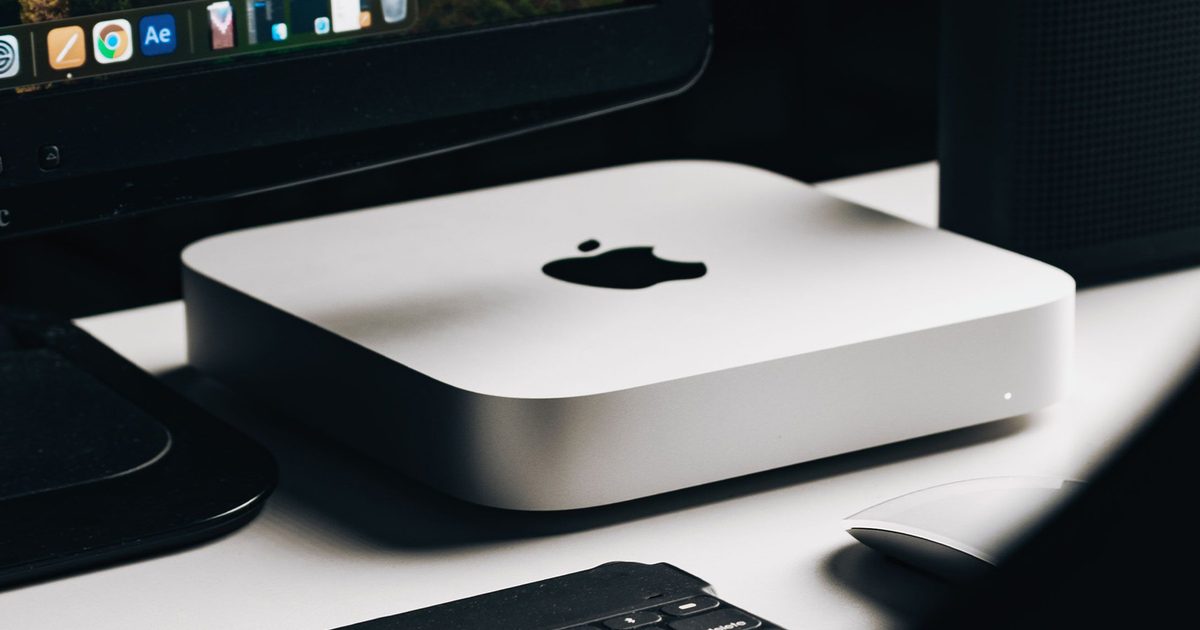
A few days ago, Apple announced an ugly mid-cycle price hike, blaming the worsening-by-the-day memory crisis. According to reports, the company is now lobbying the government for approval to buy memory chips from a Chinese company, CXMT, a chipmaker the Pentagon added to its Chinese Military Company blacklist for alleged ties to the Chinese army. This move has sparked intense political debate and could have far-reaching implications for Apple, the US technology sector, and US-China trade relations.
The Memory Crisis: Background and Impact
The global memory chip shortage, particularly in DRAM (Dynamic Random Access Memory), has been a persistent issue for the tech industry since 2020. DRAM chips are essential components in virtually all computing devices, from smartphones and laptops to servers and data centers. The crisis was initially triggered by pandemic-era supply chain disruptions, followed by surging demand for remote work equipment and cloud services. More recently, geopolitical tensions and export controls have exacerbated shortages. Apple, which relies on DRAM from Micron (US), Samsung (South Korea), and SK Hynix (South Korea), has been hit hard. The mid-cycle price hike—unusual for a company that typically holds prices steady between product generations—was a clear signal of distress. The hike erased $263 billion from Apple's market capitalization in a single day, marking its second-largest single-day drop. This financial pressure has forced Apple to explore alternative suppliers, even if it means risking political fallout.
What Apple Is Asking For
Apple is not legally barred from sourcing chips from a Chinese supplier. The company simply wants the White House’s nod to do so without the reputational and political risk of being seen as a partner to a Pentagon-listed company. Apple approached the Commerce Department more than a month ago and has since been working with contacts across the administration to secure the government’s blessing. This is not a request for a formal export license but a political green light that would shield Apple from accusations of aiding a potential adversary. CXMT, already approved for listing on the Shanghai Stock Exchange, is China’s national champion in DRAM chip manufacturing. The company is the only Chinese firm capable of producing DRAM at scale, making it a critical player in China's push for self-sufficiency in semiconductors. However, its inclusion on the Pentagon's blacklist has made it a toxic partner for US firms.
Political and Trade Implications
The Commerce Department added CXMT to an intended Entity List package last year, only for the White House to hold it back during trade negotiations with China. This on-again, off-again status reflects the deep divisions within the US government over China policy. The House China Committee, led by Republican Chair John Moolenaar, strongly opposes the move. Moolenaar told the press that approving Apple's request would be a grave mistake, arguing that it would undermine US efforts to limit China's access to advanced technologies. The decision also has implications for the semiconductor industry as a whole. If Apple gets the green light, other US tech giants may follow suit, potentially weakening export controls. On the other hand, denying the request could push Apple further into financial turmoil and hurt its competitiveness against Android rivals that have more flexible supply chains.
Apple’s Previous Attempts
This is not the first time Apple has courted controversy with Chinese chipmakers. In 2022, Apple considered sourcing memory chips from another Pentagon-listed Chinese company, YMTC (Yangtze Memory Technologies), for iPhones sold only in China. That plan faced intense backlash from US lawmakers and was eventually shelved. The new proposal involves CXMT, which is arguably more significant given its position as the sole domestic DRAM supplier. The similarities between the two cases highlight Apple's persistent struggle to balance cost, supply security, and political risk. Unlike YMTC, which produces NAND flash memory, CXMT focuses on DRAM, a more critical component for Apple's entire product lineup. This may explain why Apple is willing to fight harder this time.
Broader Market Dynamics
The DRAM market is dominated by three companies: Samsung, SK Hynix, and Micron, which together control over 90% of the global supply. Any major customer, like Apple, has limited leverage over pricing and availability. By adding CXMT as a supplier, Apple could diversify its sourcing and potentially drive down costs. However, CXMT's technology is several generations behind the market leaders. Current CXMT chips use 17nm or 18nm process nodes, while Samsung and SK Hynix are already shipping 12nm or 10nm class DRAM. This means that CXMT chips would likely be used in lower-end products or as a secondary supply buffer. Still, even limited access could help Apple weather future shortages. The memory crisis itself may be easing, with some analysts predicting a recovery by late 2025, but the uncertainty over tariffs and trade wars makes long-term planning difficult.
Reputation and Government Relations
Apple's reputation has already taken a hit from the price hike. The company is now risking further damage by appearing to cozy up to a blacklisted entity. However, Apple's primary concern may be its relationship with the US government. The Biden administration has been leaning on the tech industry to support its semiconductor agenda, including the CHIPS Act, which provides billions in subsidies for domestic chip manufacturing. Apple has been a vocal supporter of the CHIPS Act and has committed to using US-made chips in some products. Yet, by seeking Chinese chips, Apple could be seen as undermining that very effort. The outcome of this lobbying campaign will likely depend on broader trade negotiations. Some insiders suggest that the White House may grant a limited approval—perhaps allowing CXMT chips only for products sold outside the US or for non-critical components.
Future Scenarios
If Apple receives approval, it could set a precedent for other companies like Dell, HP, or even automotive manufacturers that rely on memory chips. Conversely, a denial would force Apple to continue paying premium prices to its existing suppliers or accelerate investments in alternative memory technologies, such as emerging non-volatile memory (MRAM, RRAM). Apple may also increase pressure on Micron, Samsung, and SK Hynix to lower prices or lock in long-term contracts. The political stakes are high. The 2024 US presidential election is approaching, and China policy is a key issue. Republicans are likely to use any perceived weakness against the Biden administration, while Democrats face pressure from both labor unions and tech companies. Apple's move may be a calculated gamble, but it highlights the increasingly complex intersection of technology, finance, and geopolitics in the semiconductor industry.
From where I’m seeing this, Apple’s price increase on Thursday erased $263 billion from its market capitalization in a single day (its second-largest single-day drop), and the company might not want to risk its reputation any further, especially in the eyes of the government. The decision ultimately rests with the White House, and the clock is ticking for Apple as the memory crisis continues to squeeze margins and consumer trust.
Source:Digital Trends News