

Background on the Negotiations
For nearly two weeks, senior leadership at Anthropic has been engaged in high-stakes talks with the White House. The goal: persuade the Trump Administration to lift a highly restrictive export control directive that has crippled the company's ability to deploy its most advanced AI model, Claude Fable 5. According to a report from Wired, the early rounds of these discussions were fraught with tension, largely due to the involvement of Anthropic CEO Dario Amodei.
Amodei, a co-founder of the company and a former researcher at OpenAI, has been described as difficult to work with in these settings. Sources involved in the calls told Wired that Amodei was not a good listener and tended to dominate conversations with lengthy rants. In one instance, an anonymous participant characterized Amodei's behavior as “weirdo,” contrasting it sharply with the more measured approach of his successor in the talks, co-founder Tom Brown.
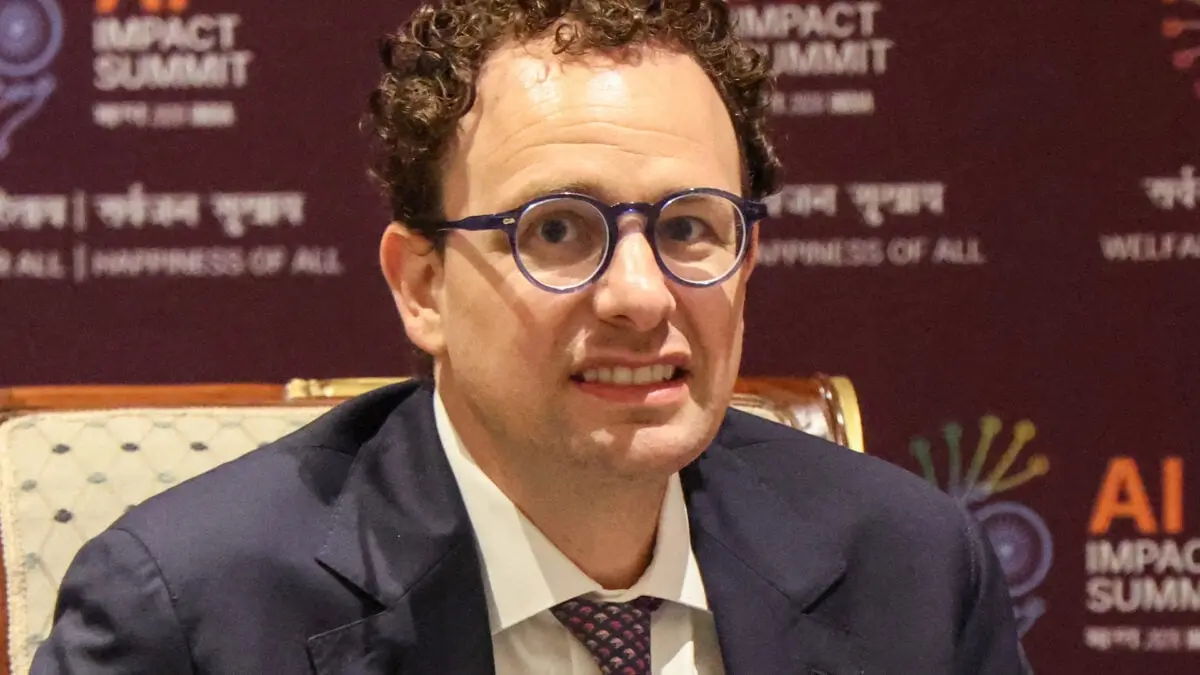
Tom Brown, who is listed simply as “co-founder” on his LinkedIn profile, has reportedly taken over the negotiations alongside Sarah Heck, Anthropic’s Head of Public Policy. Brown is described as having a warm and personable speaking style, with a softer, steadier voice compared to Amodei’s trumpet-like tone. Heck, meanwhile, brings a disciplined and cautious approach, fitting for someone in her role.
The contrast could not be starker. While Amodei is known for his queasy facial expressions, arm-waving, and tendency to stare at the ground when speaking, Brown smiles easily and engages listeners with a calm demeanor. The shift has apparently unlocked progress in the talks, which had stalled under Amodei’s leadership.
The Core Issue: Claude Fable 5
At the heart of the negotiations is Claude Fable 5, Anthropic’s most advanced publicly available AI model. The company touts it as a “Mythos-class” model, built on the same core technology as Claude Mythos Preview, which Anthropic itself deemed too dangerous for public access. Fable 5 was released with what the company claimed were stripped capabilities to mitigate cybersecurity threats, but the White House was not convinced.
According to multiple sources, Amazon researchers alerted the White House shortly after Fable 5 launched that jailbreaks could easily remove the safeguards. This discovery compounded existing worries that potential bad actors affiliated with Chinese interests had already accessed the model. In response, the White House issued an export control order about three days after Fable 5’s release, requiring Anthropic to block non-U.S. nationals from using Fable 5—and also from the more exclusive Mythos 5 model.
Anthropic complied by pulling Fable 5 offline on June 12. The talks with the White House began shortly thereafter, initially with Amodei leading the charge. His replacement by Brown now seems to have smoothed the path forward.
Profile of Dario Amodei
Dario Amodei is no stranger to controversy. A former OpenAI researcher, he left the company in 2021 to co-found Anthropic with his sister Daniela Amodei and several other ex-OpenAI employees. His focus has always been on AI safety, and he has been vocal about the risks of powerful AI systems. However, his reputation in negotiation settings is less flattering. Past reporting has described him as someone who “cannot control his emotions” and who tends to “rant” rather than engage in constructive dialogue.
Despite these interpersonal challenges, Amodei remains deeply respected in the AI community for his technical contributions. He holds a PhD in physics from Princeton and has authored influential papers on AI alignment. His intensity, while a liability at the negotiating table, has driven Anthropic’s aggressive safety research agenda.
The Role of Tom Brown
Tom Brown, by contrast, is a more affable figure. A co-founder of Anthropic, he previously worked at OpenAI and before that at a hedge fund. He is known for his nervous but warm speaking style, which has won over White House officials who found Amodei difficult. Brown’s approach is less adversarial and more collaborative, making him an effective counterpart for Sarah Heck’s strategic caution.
Together, Brown and Heck are reportedly making headway. An anonymous source noted that “Tom Brown is not being a weirdo like Dario and can actually engage.” This shift in tone has allowed the White House to view Anthropic as a more reasonable partner in addressing the export control issue.
Broader Implications for AI Regulation
The case of Claude Fable 5 highlights the growing tension between AI companies and governments over export controls and security. The Trump Administration has taken a hardline stance on preventing adversarial nations from accessing cutting-edge AI models. This is part of a broader pattern: earlier this year, the White House imposed similar restrictions on OpenAI’s GPT-4D and Google DeepMind’s Gemini Pro.
For Anthropic, the stakes are high. Fable 5 represents millions of dollars in development cost and a critical revenue stream from enterprise customers. The export control order has forced the company to halt sales to international clients, damaging its competitive position against rivals like OpenAI and Google, which have managed to secure exemptions or negotiate less restrictive terms.
If Brown and Heck succeed in lifting the directive, it could set a precedent for how other AI companies approach government negotiations. But if they fail, it may signal that the White House is unwilling to trust even the most safety-conscious AI labs with unrestricted access to powerful models.
What’s Next
Wired reports that the talks are now “on track,” with sources expecting a decision within days. The White House appears receptive to Anthropic’s arguments that Fable 5 is safe for general use, provided that additional safeguards are implemented. These could include real-time monitoring of jailbreak attempts, mandatory security audits, and geolocation-based access restrictions that go beyond the existing export controls.
Meanwhile, Anthropic continues to develop even more advanced models, including Mythos 5 and the rumored Hercules-class models. The outcome of these talks will likely shape the company’s future strategy in dealing with government regulation. For now, all eyes are on Tom Brown and Sarah Heck as they navigate the final stages of a negotiation that has already cost Anthropic weeks of lost revenue and public trust.
Source:Gizmodo News